All-in-One Interactive Projector Guide: Specs and Prices
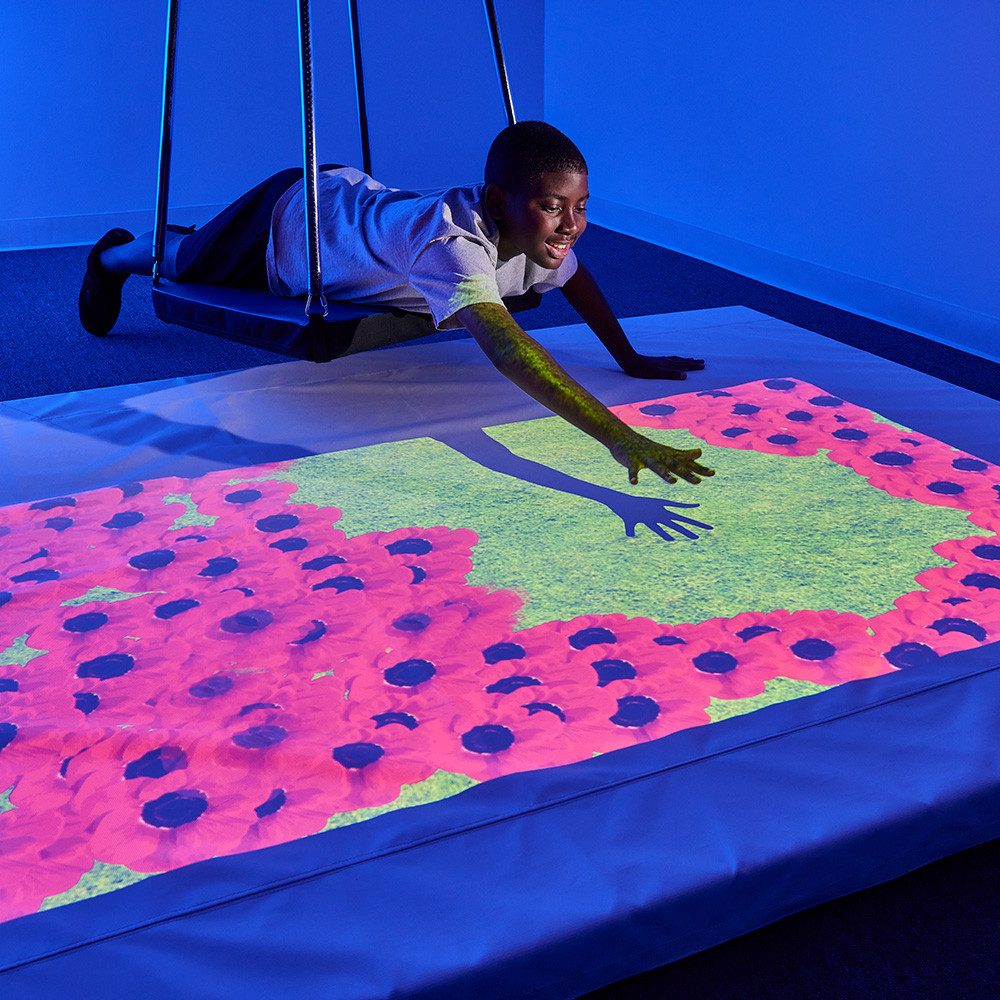
Pre-integrated, calibrated and ready out of the box: what to check in an all-in-one interactive projector, real price tiers from $500 to $8,000+, and when to go split.
Not every project needs an engineering crew. An all-in-one interactive projector pre-integrates the projector, the sensor, the content host and the mount into one calibrated box: hang it, power it, play. This guide covers who the format fits, the spec table to check before ordering, real price tiers from $500 to $8,000+, how it compares with split architecture — and the ten checks that keep you off this industry's most common traps.
What It Is — and Who It Fits
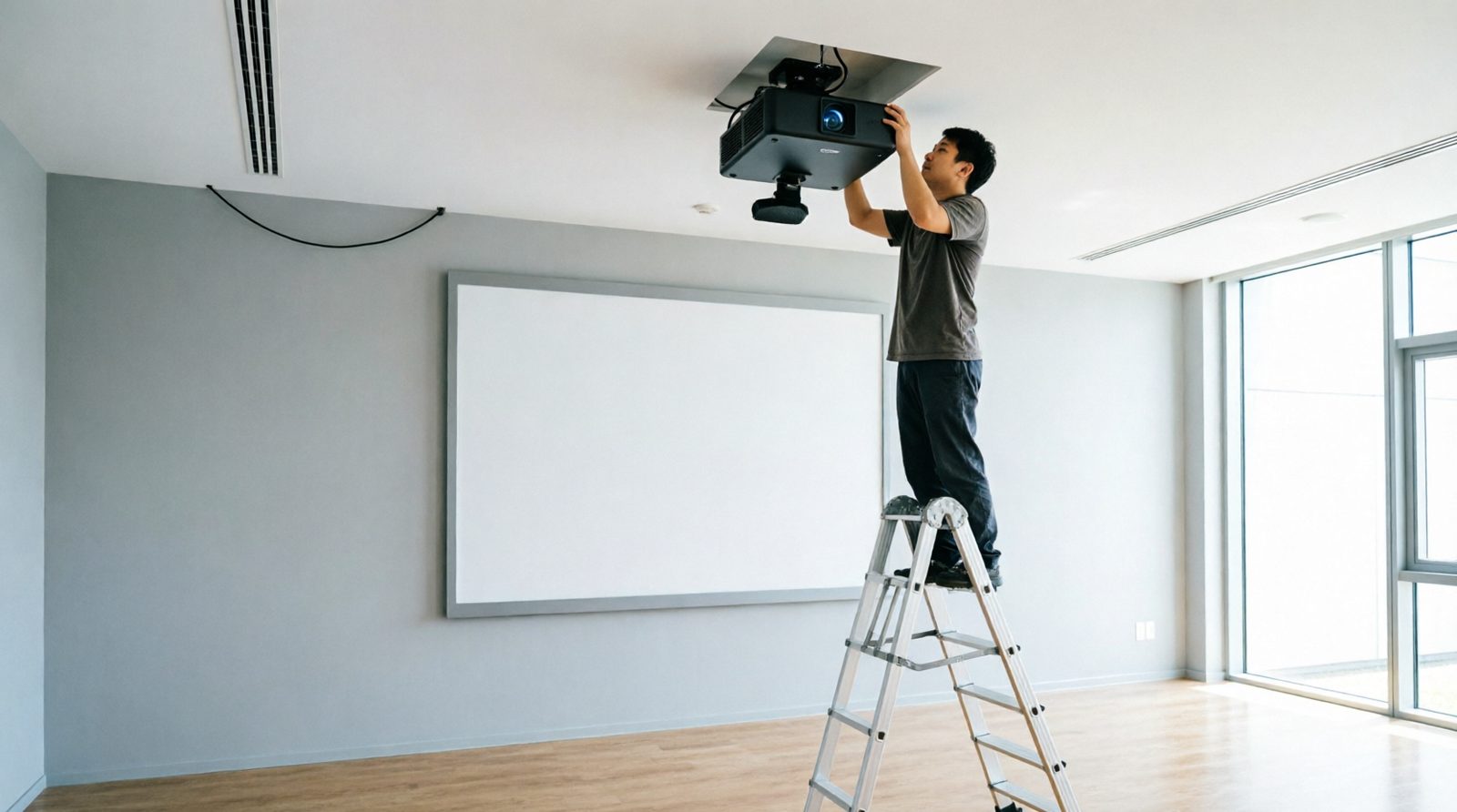
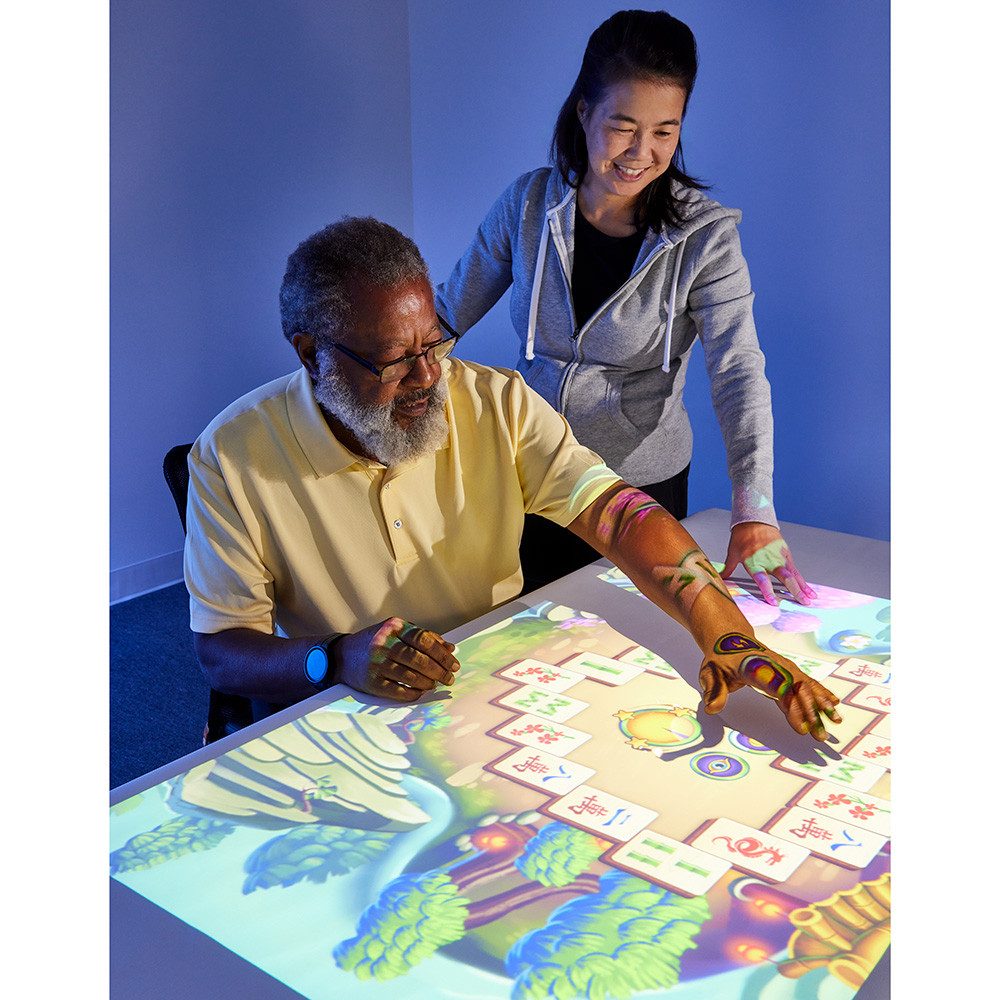
An all-in-one interactive projector ships with projection, interactive sensing (radar or camera), the content host and the ceiling mount pre-assembled and factory-calibrated. On site it is a three-step job: power, hang, play — with typically 50–350 built-in games and effects. Three buyer profiles get the most out of the format:
- FEC, play-center, restaurant and bar owners without technical staff, who need install-and-forget operation and whole-unit swap service.
- Event companies running mobile single-point rigs that set up in the morning and open at night, with high rental reuse.
- Integrators and overseas dealers who resell a standardized product and want commissioning off the critical path.
The boundary matters: large fused fields, irregular architecture and multi-unit flagship builds still belong to engineering projectors plus fusion servers plus custom content. The all-in-one is a standardized unit, not a universal answer.
The Spec Table to Check Before Ordering
| Spec | Common range | What to verify |
|---|---|---|
| Brightness | 1,500–5,000 lumens | 3,000 lm suits dim rooms; daytime venues start at 4,000 lm. Trust ANSI lumens, never "light-source lumens" |
| Resolution | 720P / 1080P / 4K | 1080P minimum for kids' games; go higher for long throws |
| Sensing | Radar / camera / infrared | Radar resists light and dust and works outdoors; cameras give skeleton tracking in dim rooms |
| Built-in content | 50–350+ effects and games | Demand the game list and language versions; ask what gets paid-unlocked later |
| Latency | 0.1–0.2 seconds | Play-test kickball or ripples on site; visible delay is a reject |
| Duty and cooling | Continuous-run rating, dust filters | FEC schedules need 8-hour continuous capability |
| Power and noise | 200–450 W | Dining rooms need quiet thermal design |
| Interfaces | HDMI / USB / network | Laptop input and USB content updates are plus points |
Market anchors: overseas retail all-in-ones (3,200–4,500 lm, floor and wall games included) list at about $2,888–$4,388; China factory-direct sports-game units run about $6,000–$6,500 per set; the high end is a movable 5,000-lumen unit with laser lidar and fifty 3D games; and software-only routes like LUMOplay (about $200–$300 per year) serve buyers who already own projectors.
Price Tiers — and Where the Money Actually Goes
| Tier | Price (USD) | Typical configuration | Fits |
|---|---|---|---|
| Entry | $500–$1,500 | 1,500–3,000 lm, camera sensing, basic step effects | Home use, pilot stores |
| Mainstream commercial | $2,500–$4,500 | 3,200–4,500 lm, radar sensing, 60+ games | FECs, restaurants, event rental |
| High-spec turnkey | $5,000–$8,000 | 5,000 lm class, laser radar, large library plus custom boot screen | Brand stores, gallery points |
| Custom / multi-unit | $8,000+ | Multi-unit sync, irregular surfaces, custom content | Theme spaces, chain rollouts |
Quotes far below a tier's floor usually fail in one of four places: true brightness and optical engine quality (the classic spec-inflation zone), sensing hardware grade (a laser radar costs multiples of a bargain IR module), content copyright and count (pirated assets are a legal risk for commercial use), and chassis and thermal design (which sets the year-three failure rate).
All-in-One vs Split Architecture
| Dimension | All-in-one | Split (engineering + fusion) |
|---|---|---|
| Deployment | Power on and play, half a day | Survey, calibration, tuning — days to weeks |
| Cost per point | Low: $2,500–$8,000 | High: often $10,000+ per point |
| Image scale | 3–6 m wide per unit | Whole walls and full fields |
| Customization | Limited to the built-in library | Deep, including brand IP |
| Service model | Whole-unit swap | Component-level field repair |
| Best at | Standard units, fast replication | Flagship, large, irregular venues |
Ten Checks Before You Wire the Deposit
- Accept only ANSI/ISO lumen ratings; refuse "light-source lumen" talk.
- Write the sensing latency number into the contract and test it live.
- Attach the game list; beware "300 games" that are three games in thirty skins.
- Confirm content licensing for commercial use in your country.
- Verify language switching for your target market — English, Spanish, Arabic and so on.
- Run an 8-hour soak test; watch for dimming and crashes.
- For radar units, confirm coverage angle and maximum mounting height.
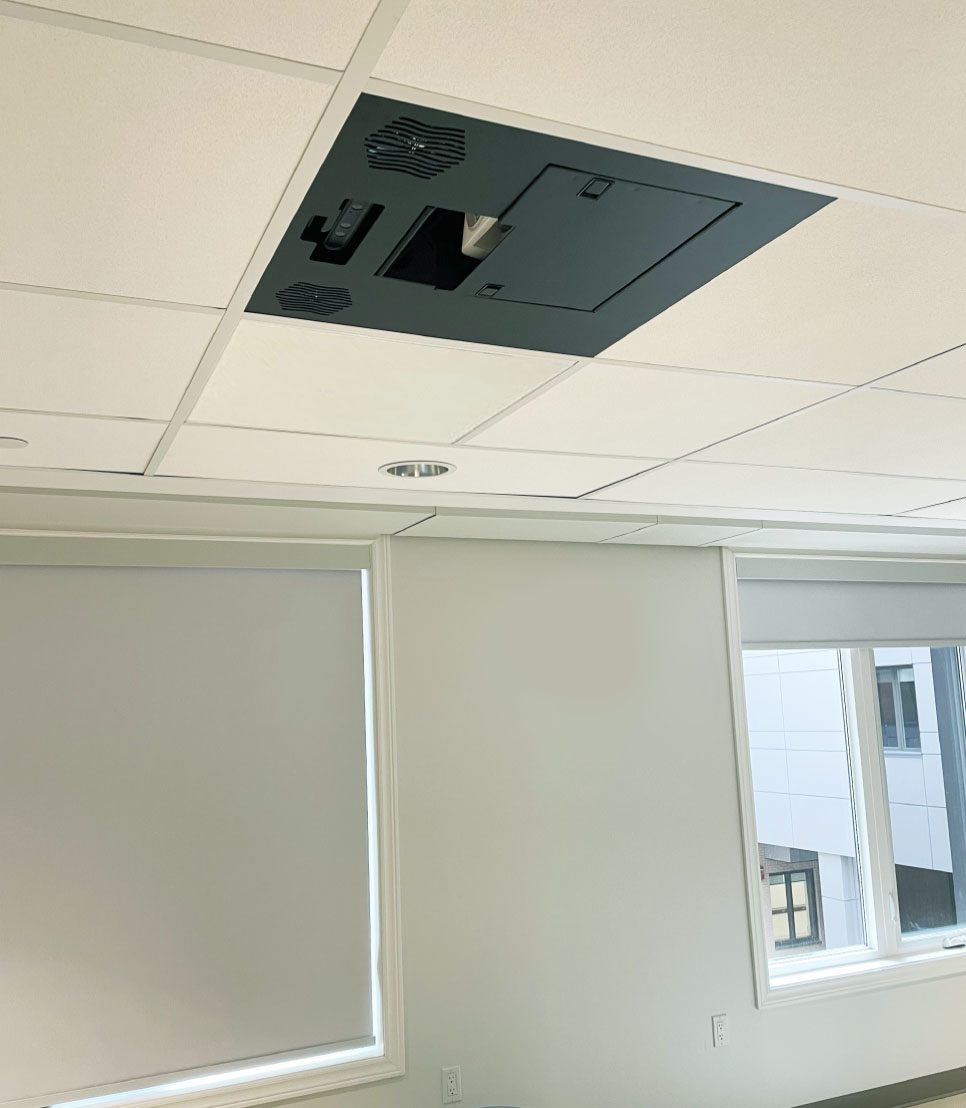
- Reserve the mount and cooling clearance during fit-out, not after.
- Pin after-sales response times and spare-part shipping windows — critical for cross-border purchases.
- Get a demo unit or a live video test before paying the bulk deposit.
The all-in-one moves interactive projection from "project" territory to appliance territory: $2,500–$4,500 buys a mainstream commercial unit that plays out of the box, provided you nail brightness ratings, latency, content licensing and after-sales terms. Testing a venue concept or building a rental fleet? Tell us your space and usage hours — Aurora Vision will match a tier, quote factory-direct and include the full game list up front.