Escape Room Projection Retrofit: Techniques and Costs
Five projection techniques for escape room and murder mystery retrofits — ambient scenes, Pepper's Ghost, holographic NPCs, prop triggers — with cost tables and changeover economics.
Escape rooms and murder mystery venues live and die on repeat visits, and repeat visits require new scenarios. For years that meant demolishing and rebuilding scenery every season. Immersive projection changes the economics: one set of hardware carries any number of scripted scenes, swapped by loading a content file instead of swinging a hammer. Here are the five projection techniques that matter, how props trigger them, and what each actually costs.
Projection vs Scenic Build: Run the Numbers First
Rebuilding a traditional scenic room is brutal on the P&L: a 100 sqm theme room typically costs CNY 100,000-300,000 or more (US$14,000-42,000+) to refit, takes 1-2 months, and sits dark the whole time. Projection works the other way — base hard decor stays, and engineering projectors render rain, firelight, starfields or ruins over it. Industry estimates for a holographic murder-mystery room put a 40 sqm experience space for 8-12 players at about 20 sqm of display area; with simple decor around CNY 800 per sqm, the all-in cost lands near CNY 5,000 per sqm — far below premium scenic builds.
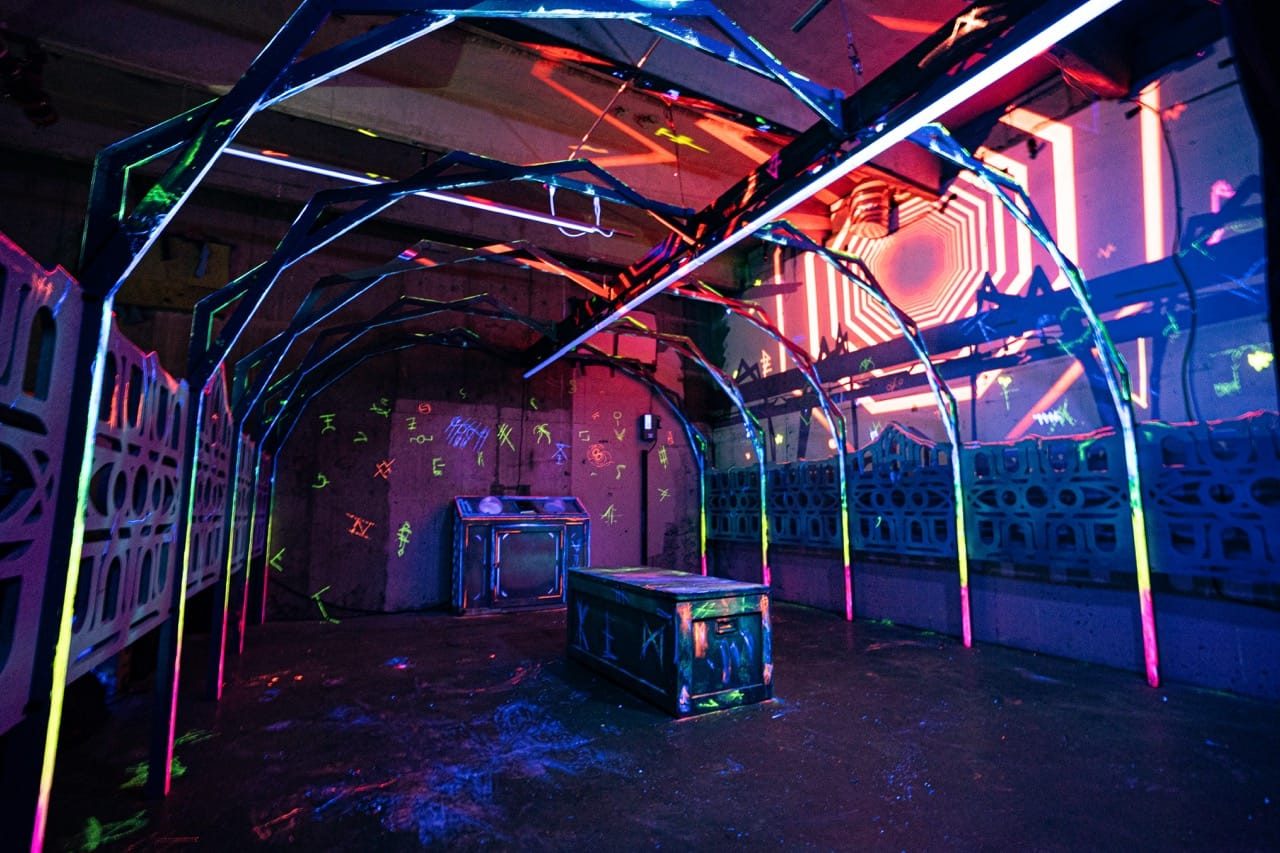
The boundary matters: mechanisms that players genuinely climb, touch and disassemble cannot be projected, and should stay physical. Atmosphere, performances and scene narrative are where projection wins. The mature formula is a real-scenery skeleton with projection as the flesh — physical props handle the puzzles, light handles the emotions.
Five Light Techniques That Do the Work
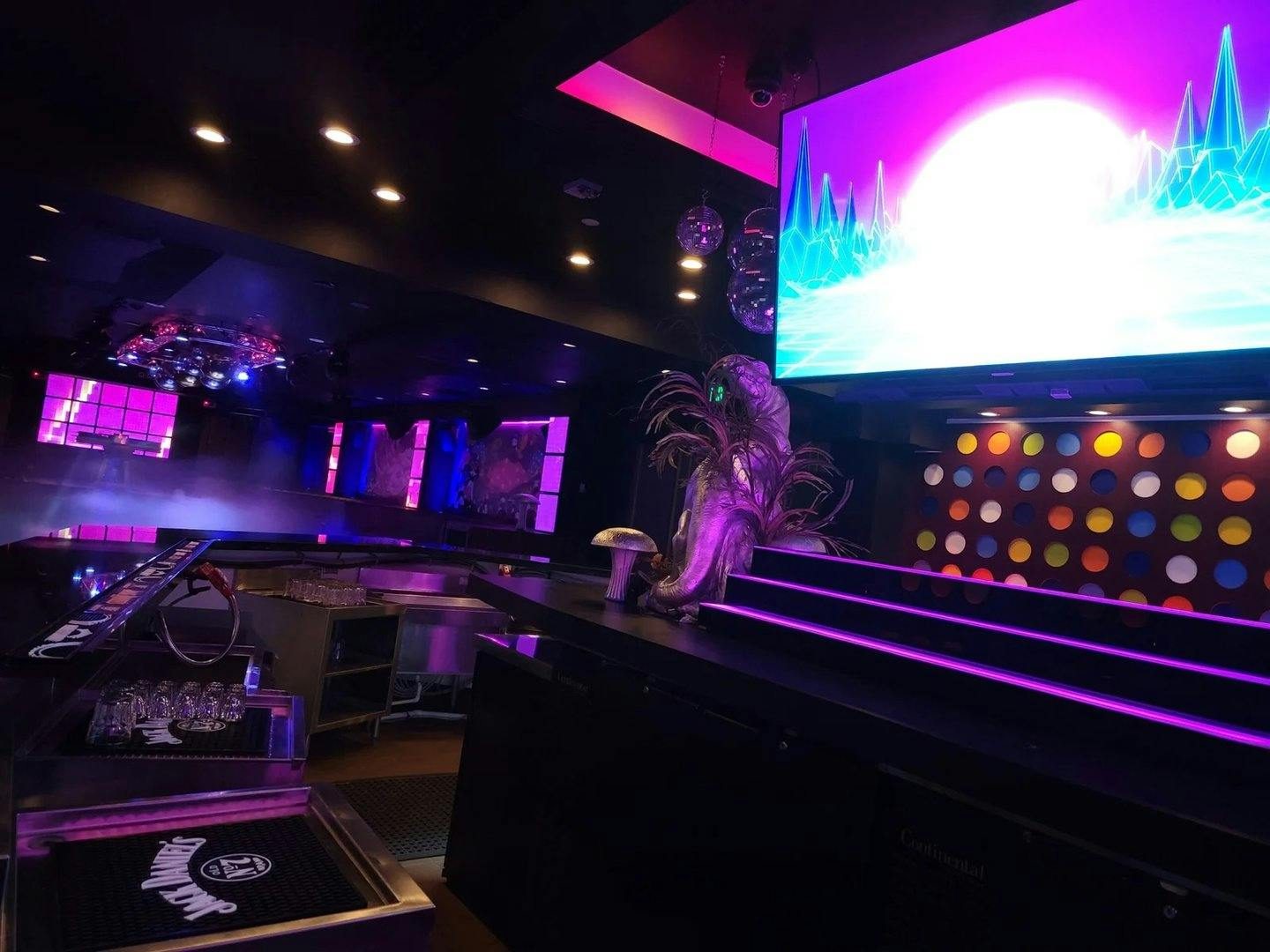
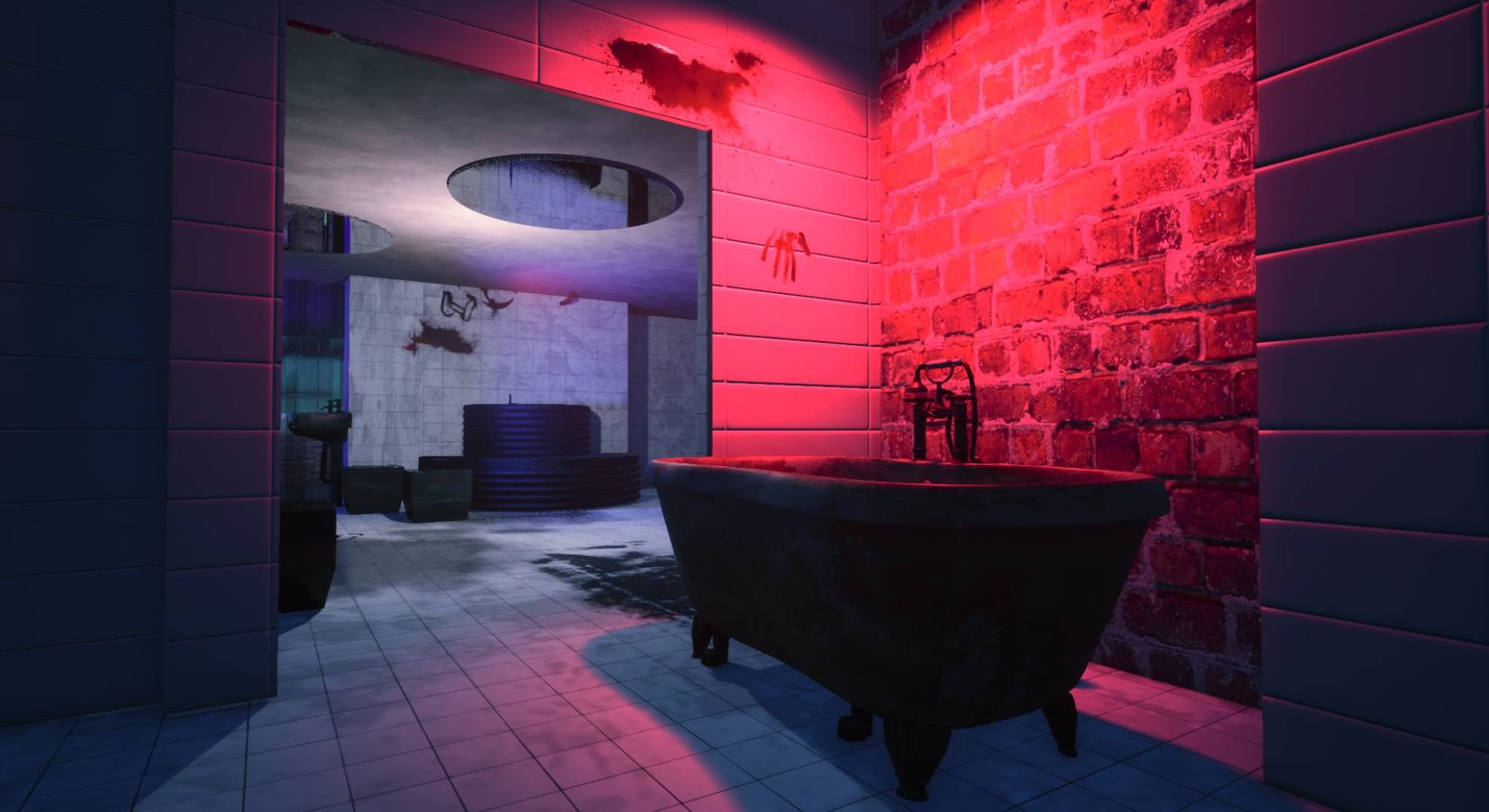
- Ambient projection. The workhorse: one 4,000-6,000 lumen projector turns a blank wall into a rainy window, flickering firelight, a failing fluorescent tube or a black-hole vortex. Synced with audio and lighting, it turns a cheap wall into a story for a few thousand CNY per room.
- Pepper's Ghost. The classic theater illusion: a 45-degree tilted glass or holographic film reflects a hidden image into the audience's view, so a figure materializes out of nowhere. Modern builds pair coated fabric with a projector; hobbyist versions with acrylic and a home projector cost tens to hundreds of dollars. Escape rooms use it for mirror ghosts, phantom letters and ancestor apparitions.
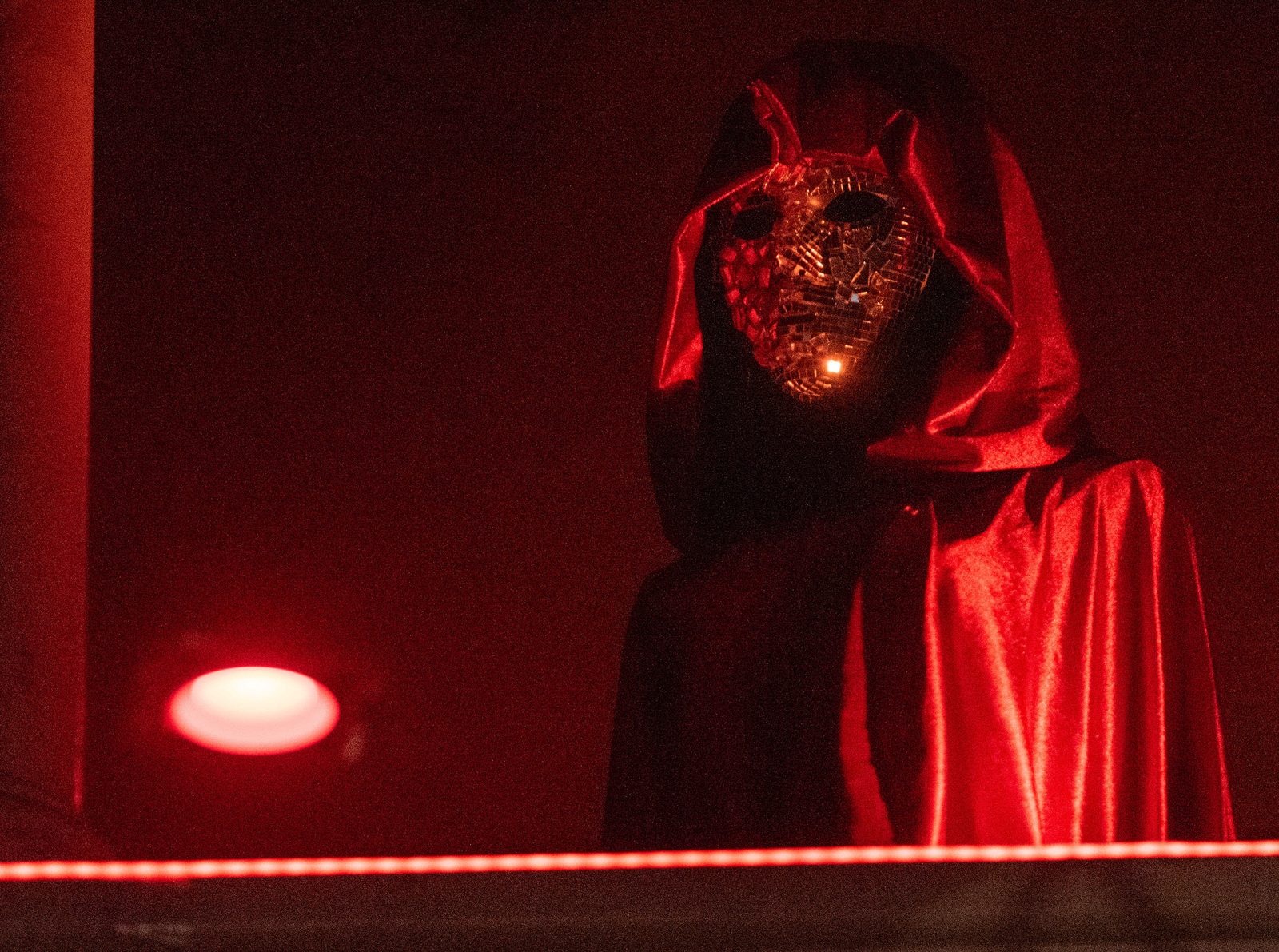
- Holographic NPC. Virtual characters on gauze or holographic film deliver clues, appear suddenly or talk to players. After the one-time investment there is no actor payroll, and the show controller fires every entrance at exactly the scripted second — the horror pacing stays tight all season.
- Prop-triggered projection. The soul of a retrofit: radar or infrared sensors, pressure mats, magnetic switches and voice modules (a few hundred to a few thousand CNY each) fire scenes through a central controller. Place the relic on the altar and the wall ignites; open the drawer and the room goes black as the ghost appears; speak the incantation at the marked spot and the lock releases.
- Full holographic room. Four walls plus table projection as an all-wrapping theater; some builds add naked-eye 3D on walls and tempered-glass table surfaces. One room, many scripts — the end state for murder mystery flagships.
Cost Table: Retrofit Now, Change Scenes Later
| Approach | Retrofit cost per room | Scene change cost | Changeover time | Best for |
|---|---|---|---|---|
| Pure scenic build | CNY 100,000-300,000+ (US$14,100-42,300+) | Near-rebuild | 1-2 months | Flagship stores, long-term IP |
| Ambient projection | CNY 5,000-30,000 (US$700-4,230) | Swap content file, near zero | One night | Upgrading existing venues |
| Holographic NPC + Pepper's Ghost | CNY 10,000-50,000 (US$1,410-7,040) per point | Swap assets | 1-3 days | Story highlight moments |
| Prop-triggered projection | CNY 20,000-80,000 (US$2,820-11,270) per room | Revise triggers and assets | 3-7 days | Puzzle-driven main lines |
| Four-wall holographic room | About CNY 200,000 (US$28,200) per room | Swap script package | 1 day | Murder mystery flagships |
Read the last two columns together: projection changeovers cost a tenth of a scenic rebuild or less, and compress the cycle from months to days. Shanghai's ten-million-CNY immersive flagship shows the ceiling of the market; the rational single store runs one or two scenic hero rooms plus a fleet of projection rooms for everything else.
Operations: Fresh Scenes Are the Product
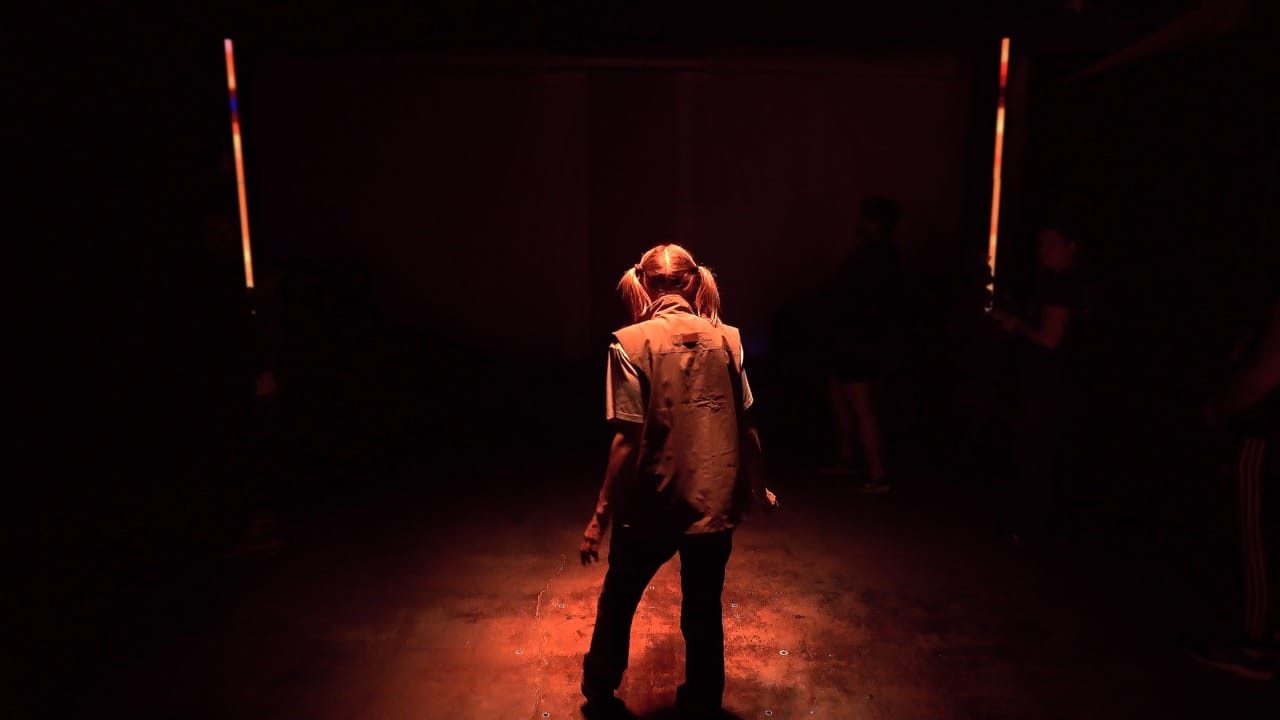
Immersive script entertainment spans a wide ticket band — from CNY 49.9 light experiences to CNY 800 full-immersion productions (US$7-112), and the premium is paid for scene novelty plus character immersion. Three operating rules follow. Keep a cadence: one new scenario every 2-3 months is only affordable because changeover is cheap. Sell theme nights: Halloween horror cuts and Valentine duo scripts reuse the same room for holiday-limited sessions, lifting revenue per square meter. And get content licensing into the contract: scope of scene assets and script packages, update fees, and what happens at renewal — that is where second-payment traps hide.
Engineering Notes From Real Retrofits
- Choose radar sensing over cameras — players' flashlights and phone screens wreck vision tracking.
- Horror still needs safety floors: emergency lighting, quick-release doors, smoke density and volume caps, and age-rated content for minor sessions.
- Pick a controller with a scene-script editor so the store manager adjusts trigger logic without calling the supplier every time.
- Hide the hardware: recessed projectors, directional speakers — a visible device on the wall kills the illusion instantly.
- Overseas stores: confirm voltage and localize script languages before launch.
Aurora Vision supplies projection, sensing and show-control packages for escape room and mystery venue retrofits worldwide, including themed content updates. Send us your floor plan and we will mark up which rooms to convert first.