How to Choose an Interactive Projector: 7 Specs That Actually Matter
Lumens, throw ratio, sensing tech, content library — an engineer's checklist for comparing interactive projectors before you spend a dollar.
Ignore the Marketing, Read These Specs
Interactive projectors look similar in product photos but behave very differently on site. Before comparing prices, check these seven items.
1. Brightness (lumens) — matched to your ambient light
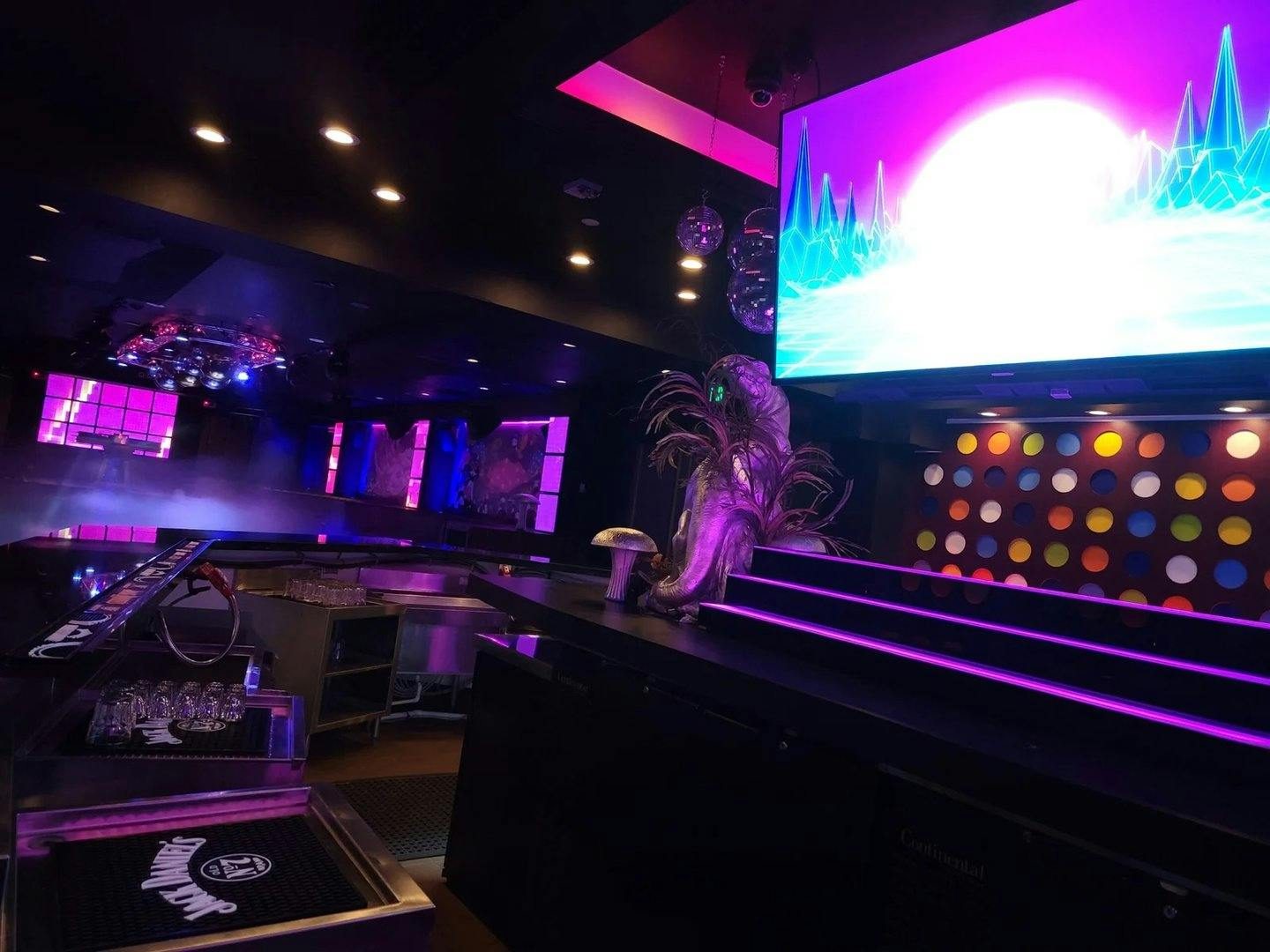
A 1000–1200 lumen unit is ideal for indoor entertainment lighting. For semi-outdoor or bright daytime spaces you need high-brightness laser class (4000+ lm). More lumens cost more — buy for your actual lighting, not for bragging rights.
2. Throw ratio
Throw ratio determines how far the unit sits from the surface. A 1.3:1 ratio means 1.3 m of mounting distance per meter of image width — check your ceiling height and structure before ordering.
3. Sensing quality
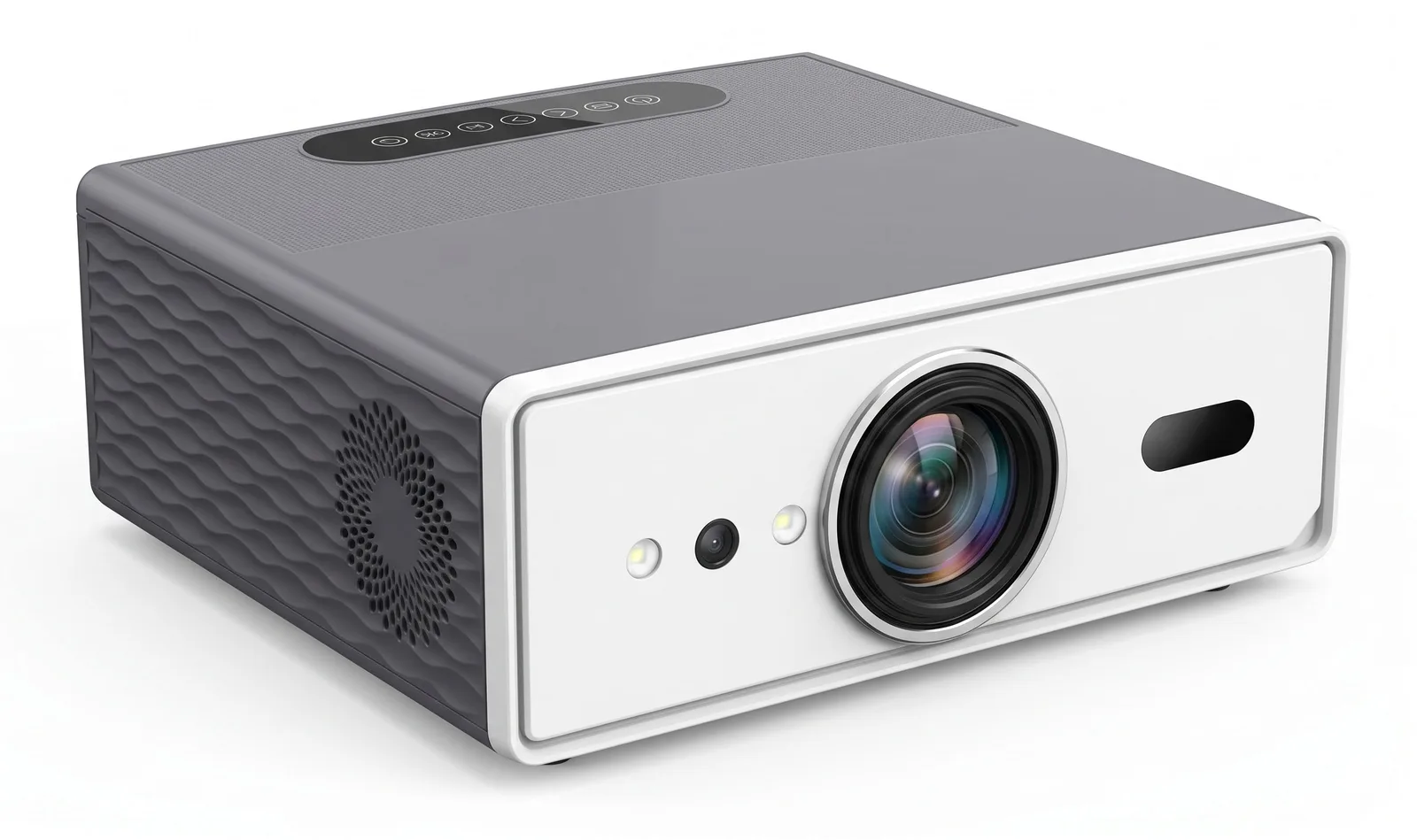
The infrared camera and fill light decide how reliably touches register. Ask about detection latency and whether the sensor handles strong sunlight — outdoor areas need units designed for it.
4. Built-in content library
An all-in-one with a rich built-in library (we ship 70+ effects and games) means zero extra software cost and instant operation. Check how contents are updated and whether custom branding is possible.
5. Resolution & focus
1080P is the standard for crisp visuals; motorized focus saves ladders during commissioning.
6. Fusion capability
If you may expand later, confirm multi-unit fusion is supported natively — adding units should be plug-and-network, not a rebuild.
7. Factory support
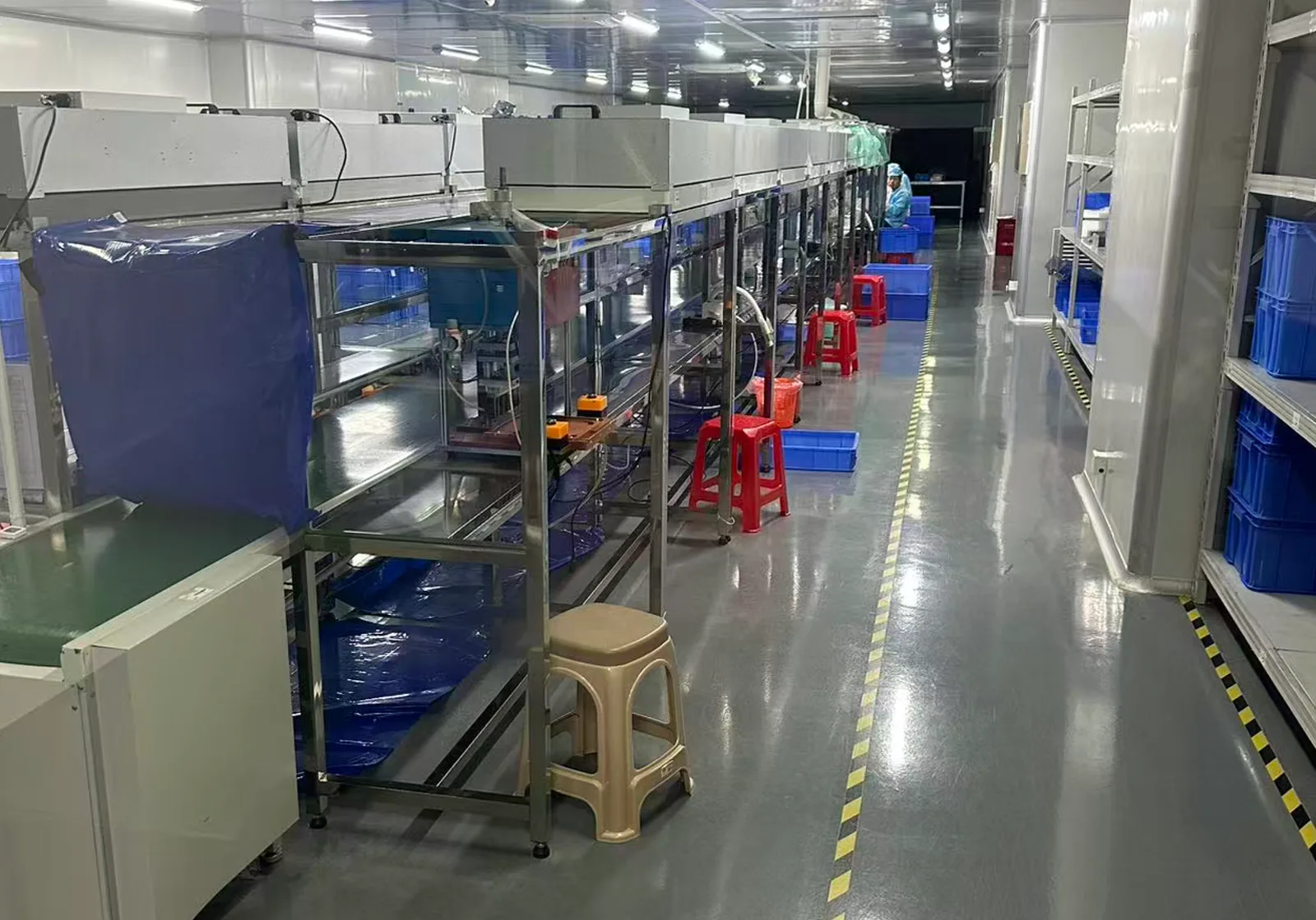
Source-factory suppliers give you engineer-level support and spare parts at cost. Trading companies resell. Ask who answers at 10 pm before your opening day.
Our team reviews floor plans free of charge — send yours and we'll spec the right configuration.