What Is an Immersive Projection Room — and Where Is It Used?
The anatomy of an immersive projection room, the eight venue types that use them, and how to size a room's hardware from its floor plan.
Definition in One Sentence
An immersive projection room is a space whose walls (and often floor and ceiling) are covered by seamless projected scenes that surround visitors on all sides — stepping inside feels like stepping inside the content.
Where They Are Used
- Museums & science centers: walk-in ecosystems, historical scenes, data made spatial
- Schools & kindergartens: calm sensory rooms and lesson scenes that respond to students
- Wellness & therapy: nature environments with slow motion and soft sound
- Retail & brand spaces: product worlds visitors stand inside
- Events & weddings: transformable backdrops that change per ceremony
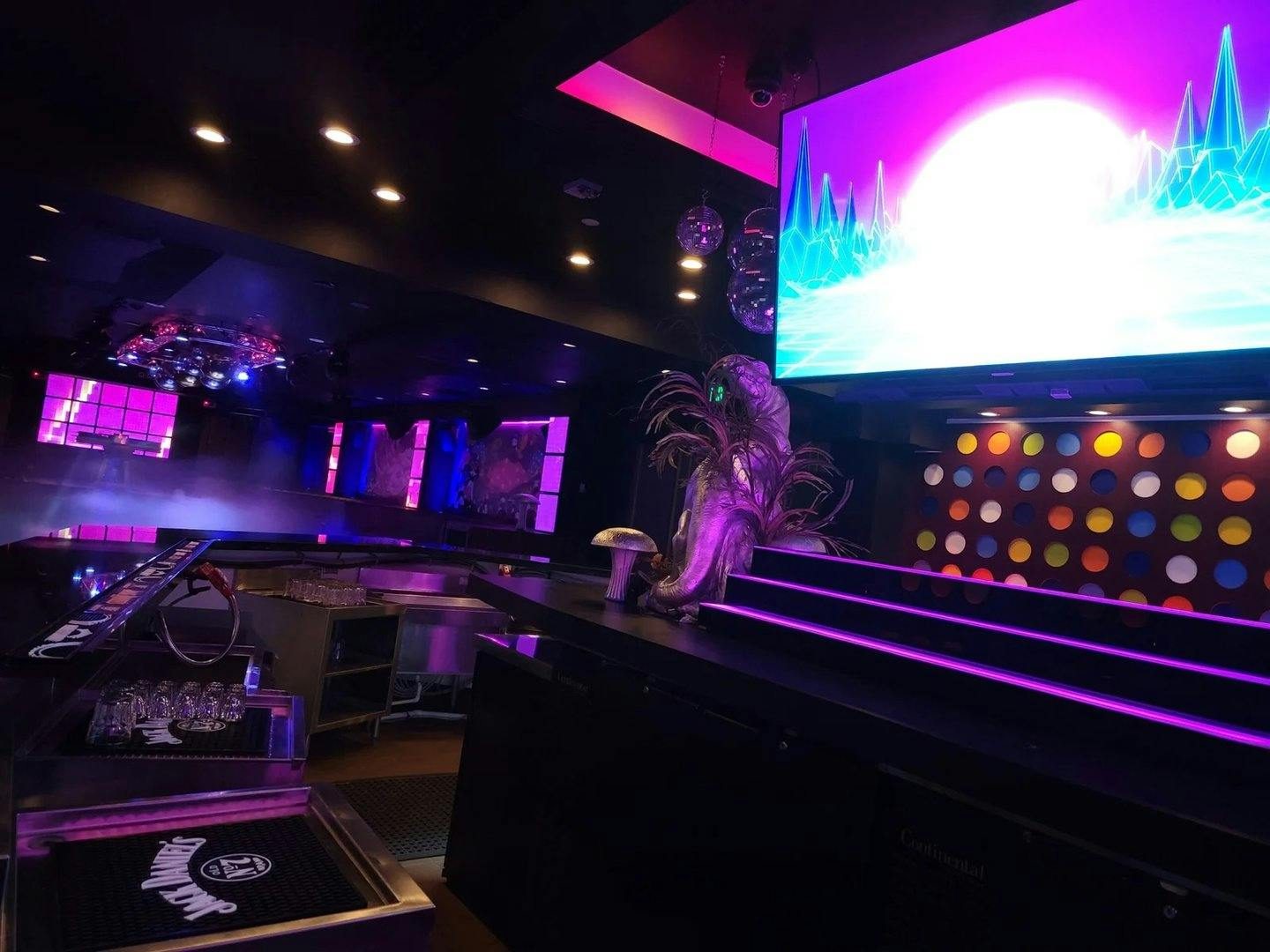
- Entertainment venues: ticketed immersive rooms as the headline attraction
- Real estate & tourism: fly-throughs of unbuilt properties and destinations
- Dining: themed private rooms where the scenery pairs with the menu
Sizing Hardware From the Floor Plan
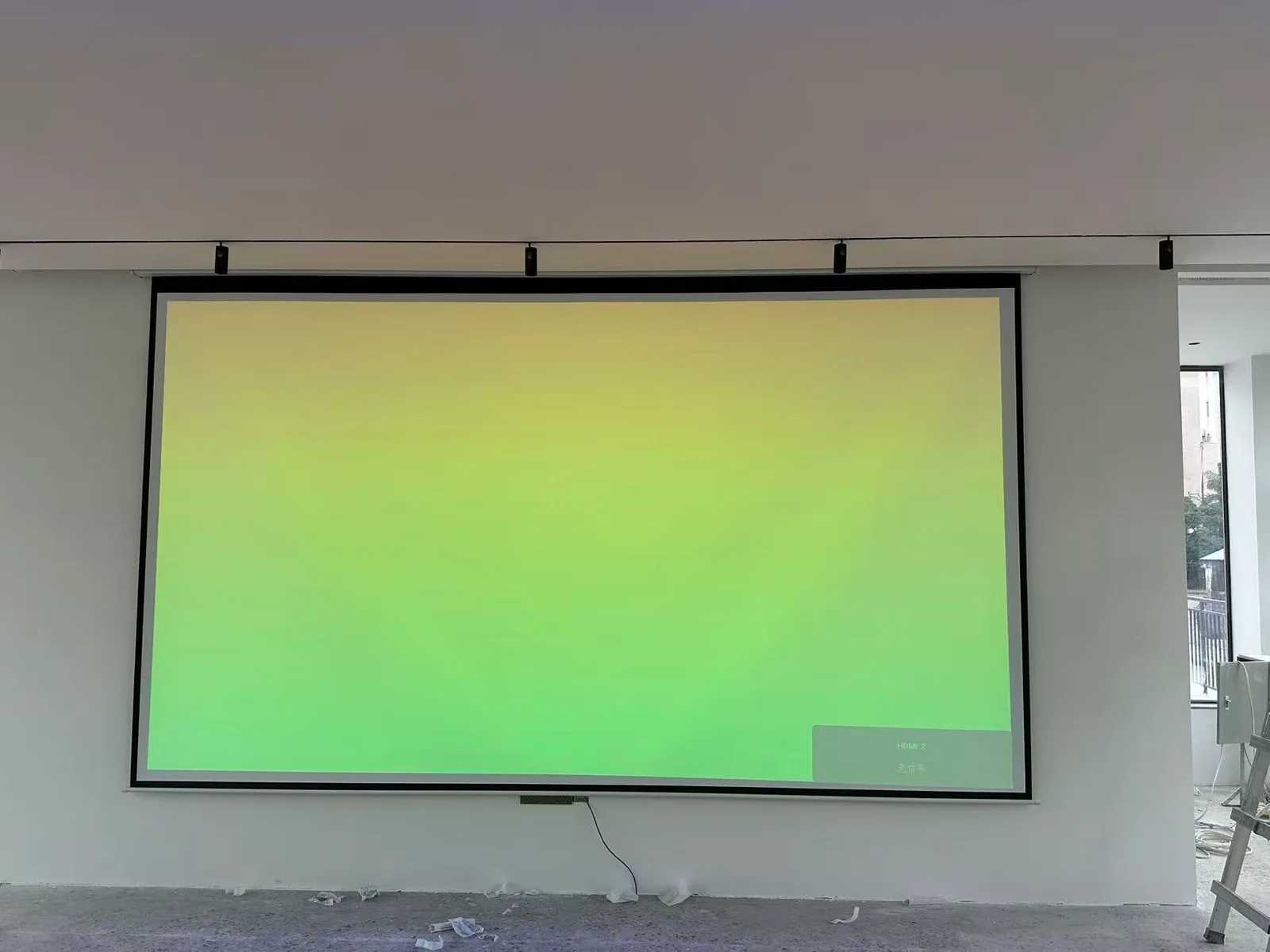
Two numbers decide everything: wall run-length and ambient light. As a rule of thumb, one projector covers 4–6 m of wall at standard room heights; bright rooms step up to the 4000+ lumen class — our daytime exhibition proves projection works without blackout. Corners need content authored for the turn, or blending that wraps the seam.
Start Small, Grow Modular
A two-wall starter room is a modest investment; extra units extend the canvas later because fusion is network-based. Send your dimensions for a coverage drawing and an honest minimum.