Interactive Wall Projection: 4 Types and Where They Win
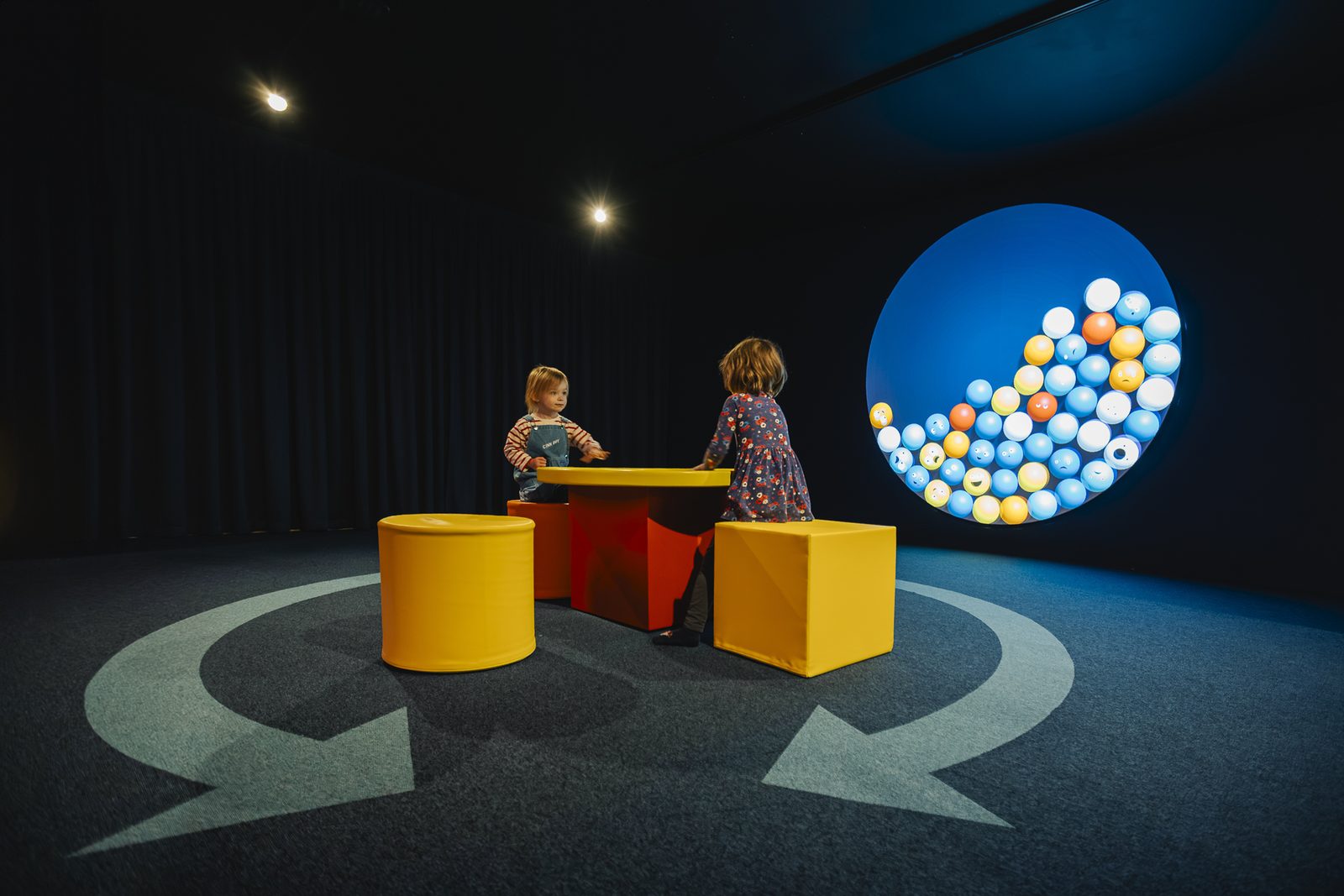
Touch walls, motion walls, radar walls and magic walls do different jobs. Compare the four types, see how they stack up against LED, and match one to your venue.
A blank wall is the cheapest real estate in any building — interactive wall projection turns it into a surface that answers people: touch it and it animates, wave at it and particles swirl, children draw a fish and watch it swim up the wall. Compared with LED walls and touchscreens it costs far less per square meter and scales to any wall length. This guide compares the four sensing types, benchmarks them against screens, and matches each type to real venues so you can shortlist the right one.
Four Types, Four Different Jobs
| Type | Sensing | Interaction style | Typical use |
|---|---|---|---|
| Touch wall | Infrared frame or radar touch positioning | Precise taps: browse, query, sign | Showroom lobbies, information points, signature walls |
| Motion wall | Camera tracks the body skeleton | Full-body driving, no contact needed | Play centers, sensory training, bar ambience |
| Radar wall | Laser or millimeter-wave radar | Long-range trigger, multi-person, light-tolerant | Bright malls, corridors, covered outdoor areas |
| Magic wall | Scanner plus recognition algorithm | Kids' paper drawings come alive on the wall | Family venues, museum education, schools |
The magic wall deserves a highlight: a child colors a fish on paper, the attendant scans it, and the fish swims into the wall ocean carrying the child's own brush strokes. That moment — my drawing is alive — drives exceptional replay and parent-driven sharing, and vendors such as Sindrax already run mature product lines. As a pricing anchor, overseas no-touch game walls start around $5,800 turnkey (EyeClick public pricing), while Chinese-factory equivalents leave considerably more room in the budget.
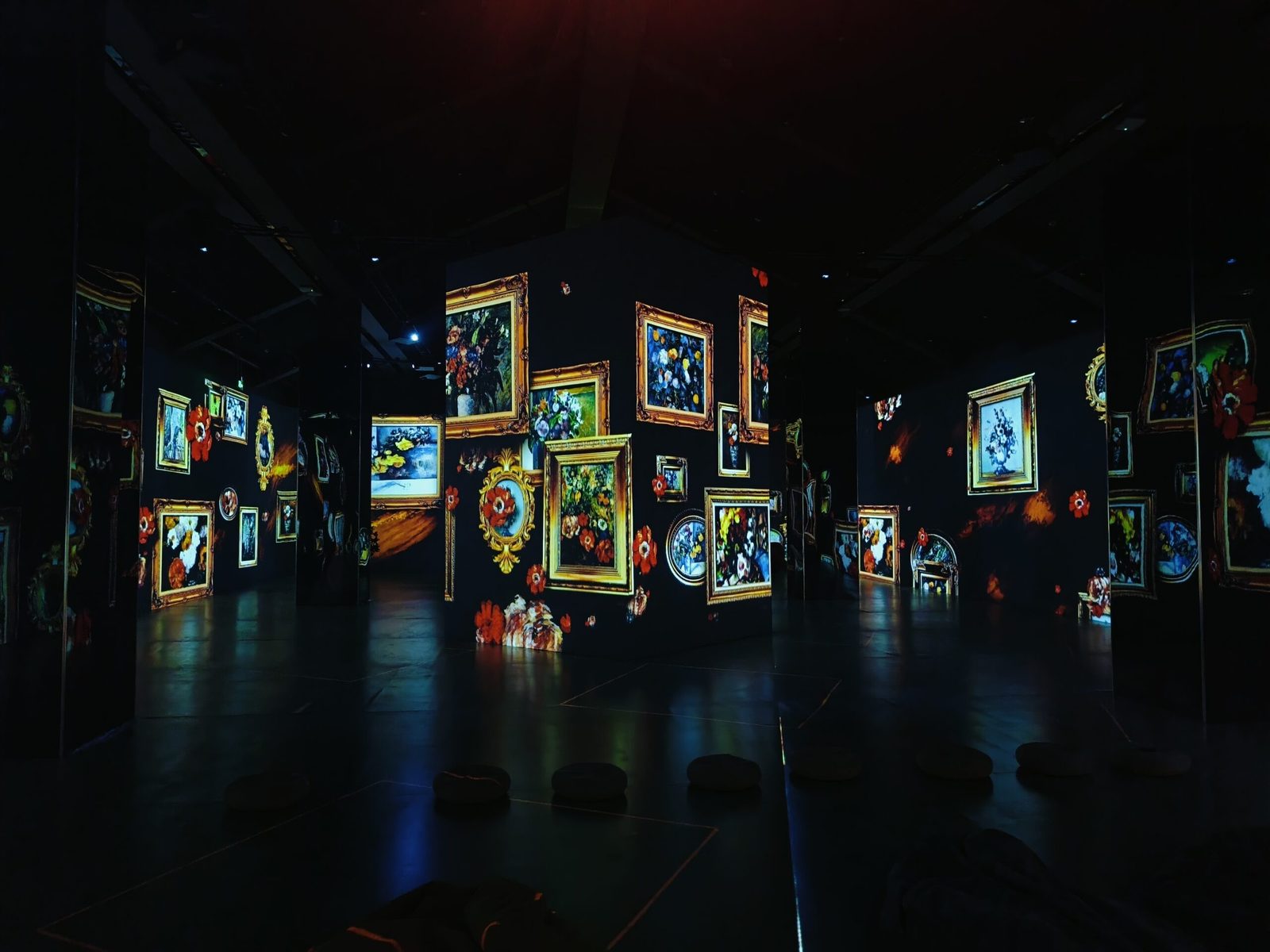
Projection Wall vs LED Wall vs Touchscreen
| Dimension | Interactive projection wall | LED wall | Touch all-in-one |
|---|---|---|---|
| Image size | Follows the wall, 10 m+ easily | Large sizes get expensive fast | Usually under 100 inches |
| Cost per square meter | Low — uses the existing wall | High, per-cabinet pricing | Medium |
| Interaction | Touch, motion, radar, drawing — your pick | Needs an added sensing layer | Touch only |
| Ambient light | Hates strong light; control illuminance | Immune | Immune |
| Image quality | Depends on wall flatness and lighting | Bright, saturated | Sharp |
| Best at | Atmosphere plus large-scale play | Outdoor and bright-space display | Precision information tasks |
One-line decision rule: need precise pointing and reading — buy a touchscreen. Must survive outdoor sunlight — buy LED. Want a big, atmospheric, many-people-at-once wall — interactive projection wins on value.
Matching the Type to the Venue
- Showroom lobby: a touch wall carries the theme film and content index for VIP tours, while a radar wall greets visitors with imagery that moves as they pass — a high-frequency line item on exhibition companies' quotes.
- Mall activations: seasonal walls (throw snowballs at Christmas, light fireworks for Lunar New Year) stretch dwell time, and magic walls turn children's artwork into the mall's social content.
- Education and therapy: motion walls run game-based courseware in kindergartens, special education and rehabilitation; contactless interaction also meets hygiene rules — a reason healthcare-grade solutions like OUVA exist.
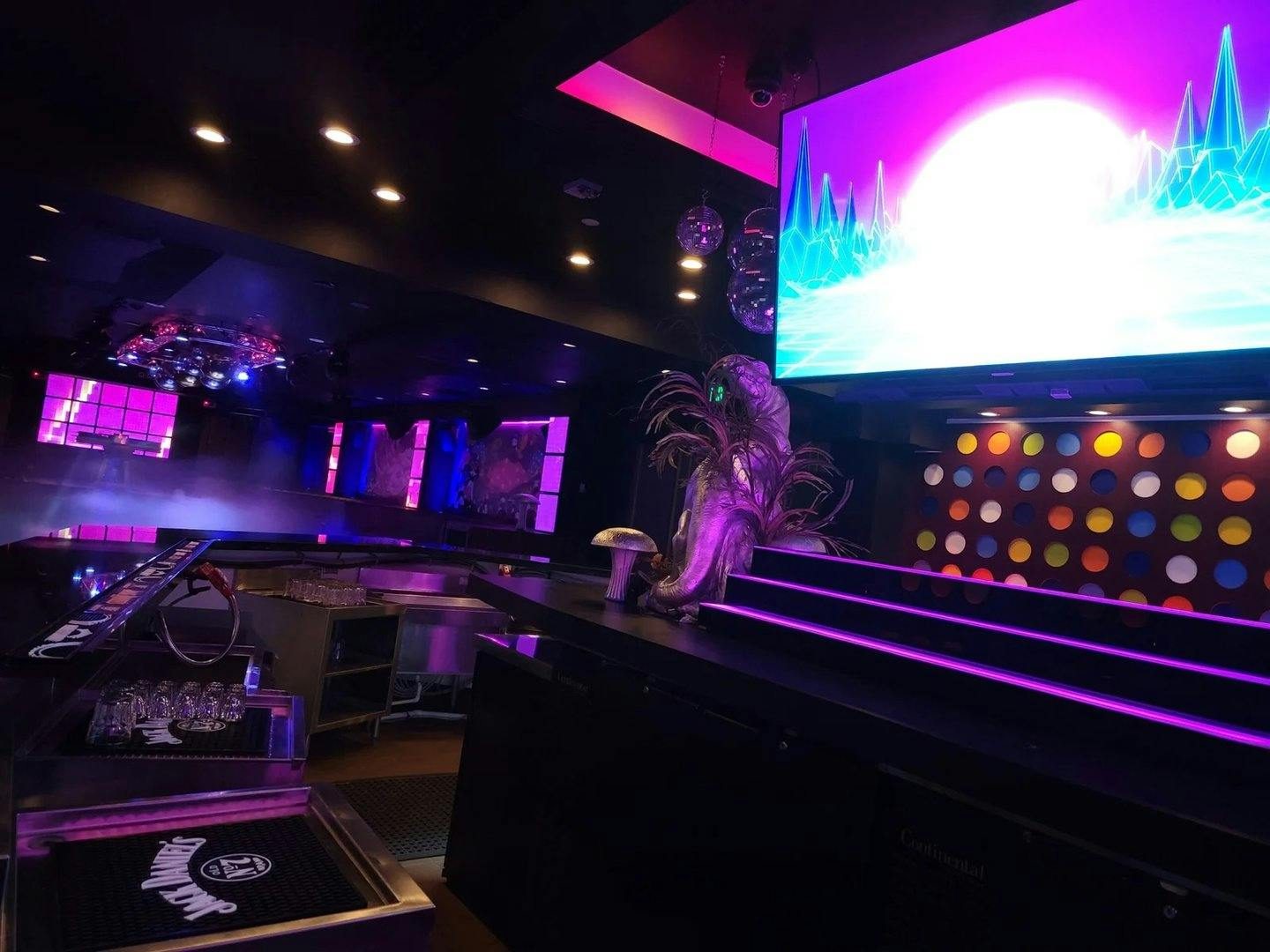
- Bars and night venues: gesture-switched particle walls and beat-synced patterns create a wall that moves, at a fraction of LED cost, feeding theme nights and social clips.
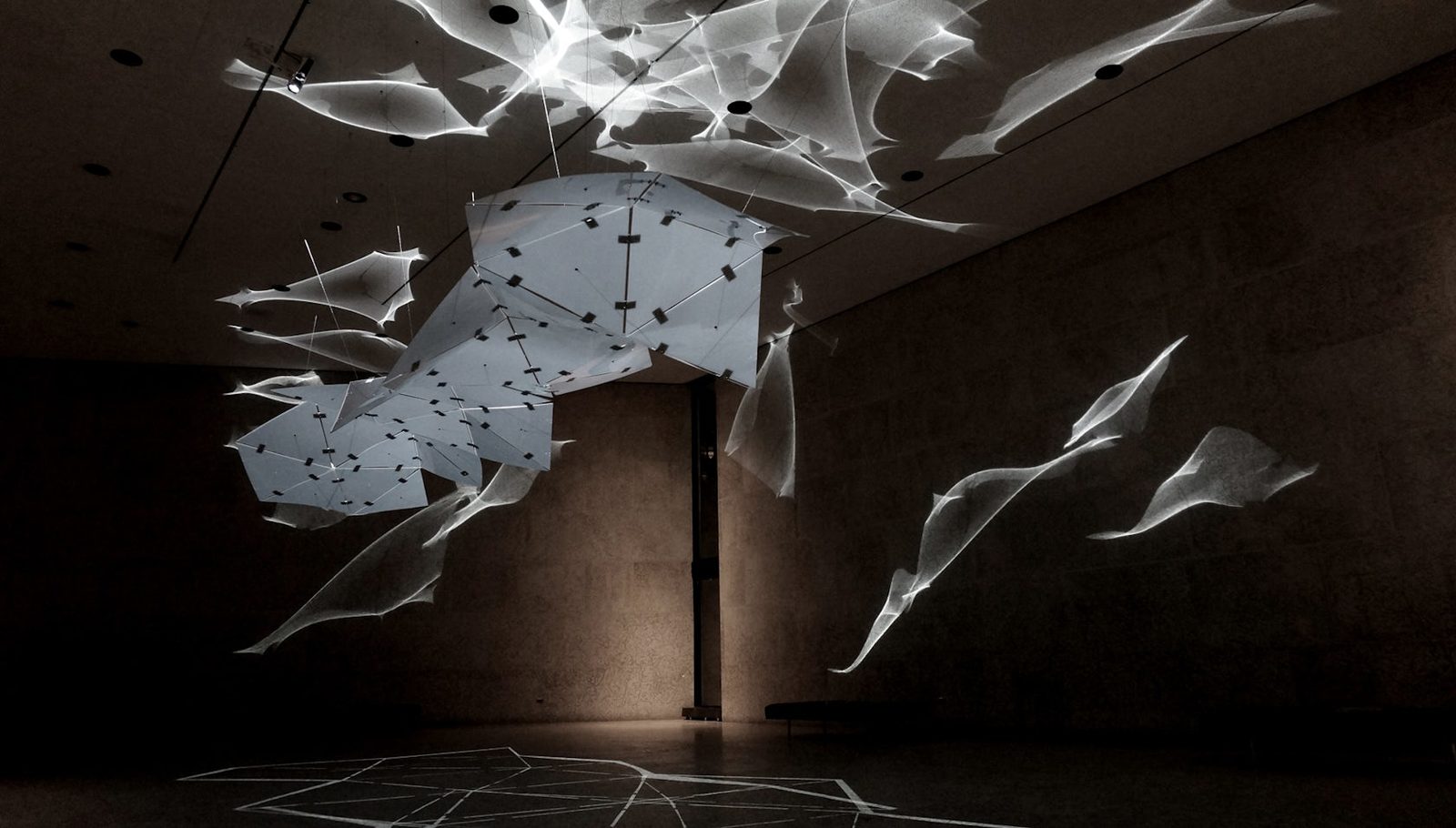
Specs to Check, Content Habits That Pay
- Projector brightness: start at 4,000–6,000 lumens indoors; 8,000+ under strong light.
- Coverage and aspect: confirm the lens covers the wall width with no keystone distortion.
- Accuracy and latency: touch error within 5 mm; motion response within 0.2 seconds.
- Multi-person support: confirm the radar wall's simultaneous tracking cap (commonly 2–8 people).
- Content licensing: built-in theme count, holiday updates included, language versions for your market.
On operations, three habits separate walls that earn from walls that decorate: swap to seasonal themes two to four weeks ahead of each holiday; tie the wall to events — treasure hunts and drawing contests turn interaction into user-generated content; and export touch heatmaps and play counts to guide next quarter's content buys.
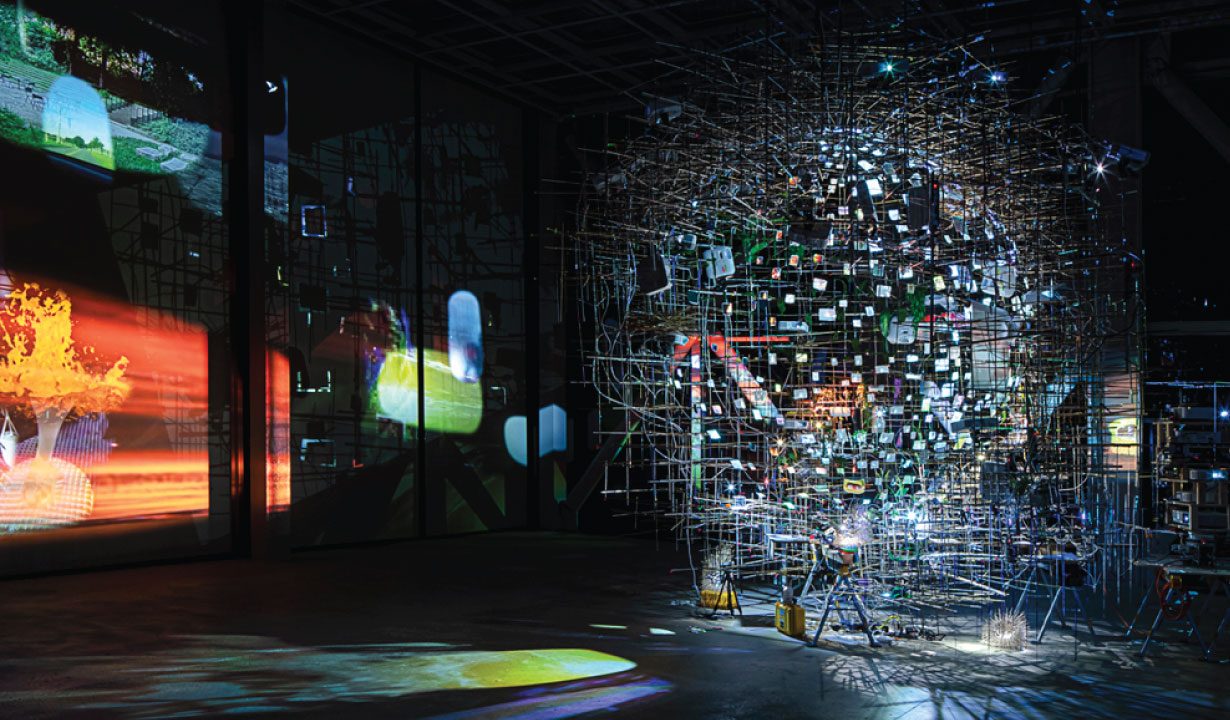
A wall that pays for itself is a procurement decision, not a decoration one: pick the type by ambient light and audience, then build the update mechanism before opening day. Auditioning vendors for a lobby, a kids' zone or a full gallery wall? Send us the wall dimensions and lighting photos — Aurora Vision engineers will recommend the honest minimum configuration and a delivery schedule that fits your opening date.