Interactive Projection in Kindergartens and Early Education
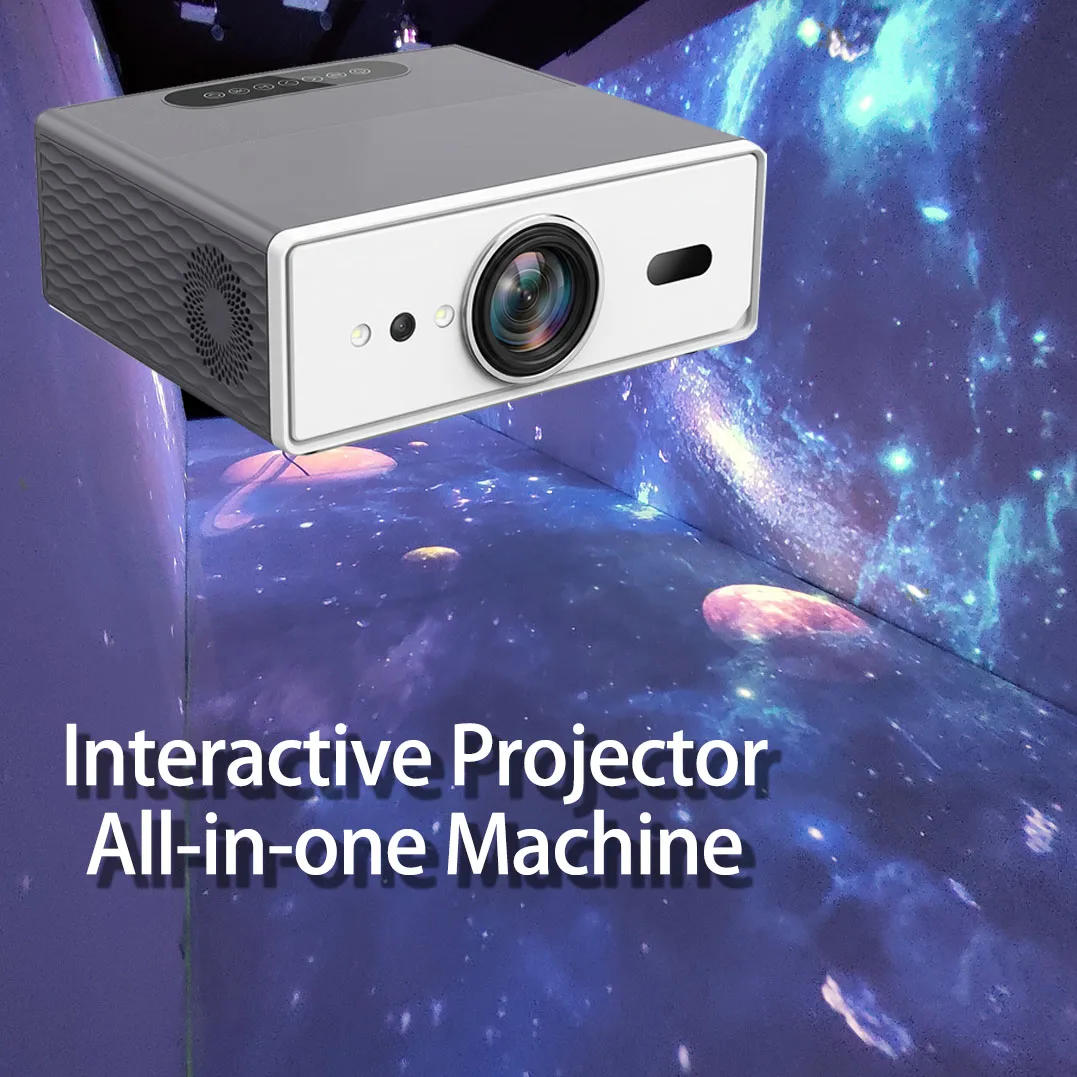
Floor games that teach letters, numbers and coordination — how kindergartens deploy interactive projection safely, and what teachers actually use weekly.
Learning That Responds to Small Feet
Early-years educators have a name for the mode where children learn best: whole-body play. Interactive projection puts the alphabet, numbers, animals and colors on the floor — and the floor reacts when children step, hop and stamp. Letters wobble when touched; counting games score every correct hop; animal scenes reward curiosity.
What Classrooms Actually Use Weekly
- Letter & number floors: stepping games tied to the week's lesson
- Animal & nature scenes: calm ocean and forest modes for story time
- Coordination games: follow-the-path and balance modes for motor skills
- Sensory modes: slow, gentle effects for calm-down corners and special education
Safety and Practicality
Nothing is mounted within children's reach — the projector lives on the ceiling and the "screen" is the floor itself. LED light sources run cool and last 20,000+ hours; contents run unattended on loop; the weekly routine is wiping the lens. Rooms with strong daylight should pick unit positions away from direct sun or step up brightness.
A Note for Decision-Makers
Start with one unit in the main activity room. Teachers adopt it fastest when the content menu matches their lesson plan — our library includes education modes and supports custom lessons. Ask for the education content list and a layout sketch for your rooms.