Museum & Science Center Interactive Exhibits: 4 Benchmarks
Three design principles for museum and science center interactives, teardowns of teamLab, Arte Museum, NEMO and Smithsonian, and a maintenance cost table for ten-year operations.
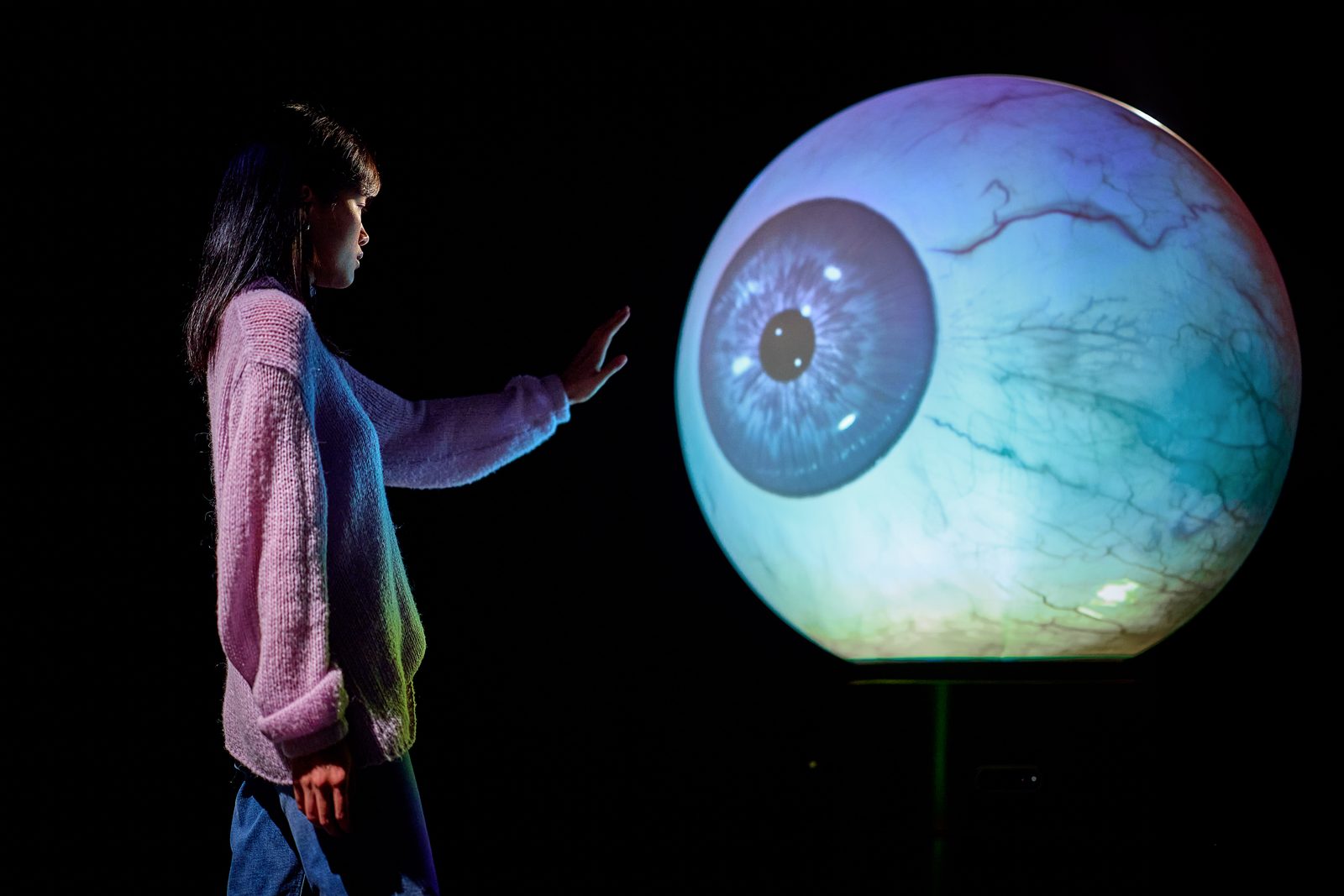
Interactive exhibits in museums and science centers obey different rules from commercial attractions. Visitors come to learn by playing; the institution needs hardware that survives a decade of school groups. Get the balance wrong and you end up with either a science-themed playground that teaches nothing, or a fragile installation that is dark more often than it runs. This guide condenses the principles we apply to museum projection projects and four international benchmarks every integrator should study.
Three Principles That Separate Exhibits From Toys
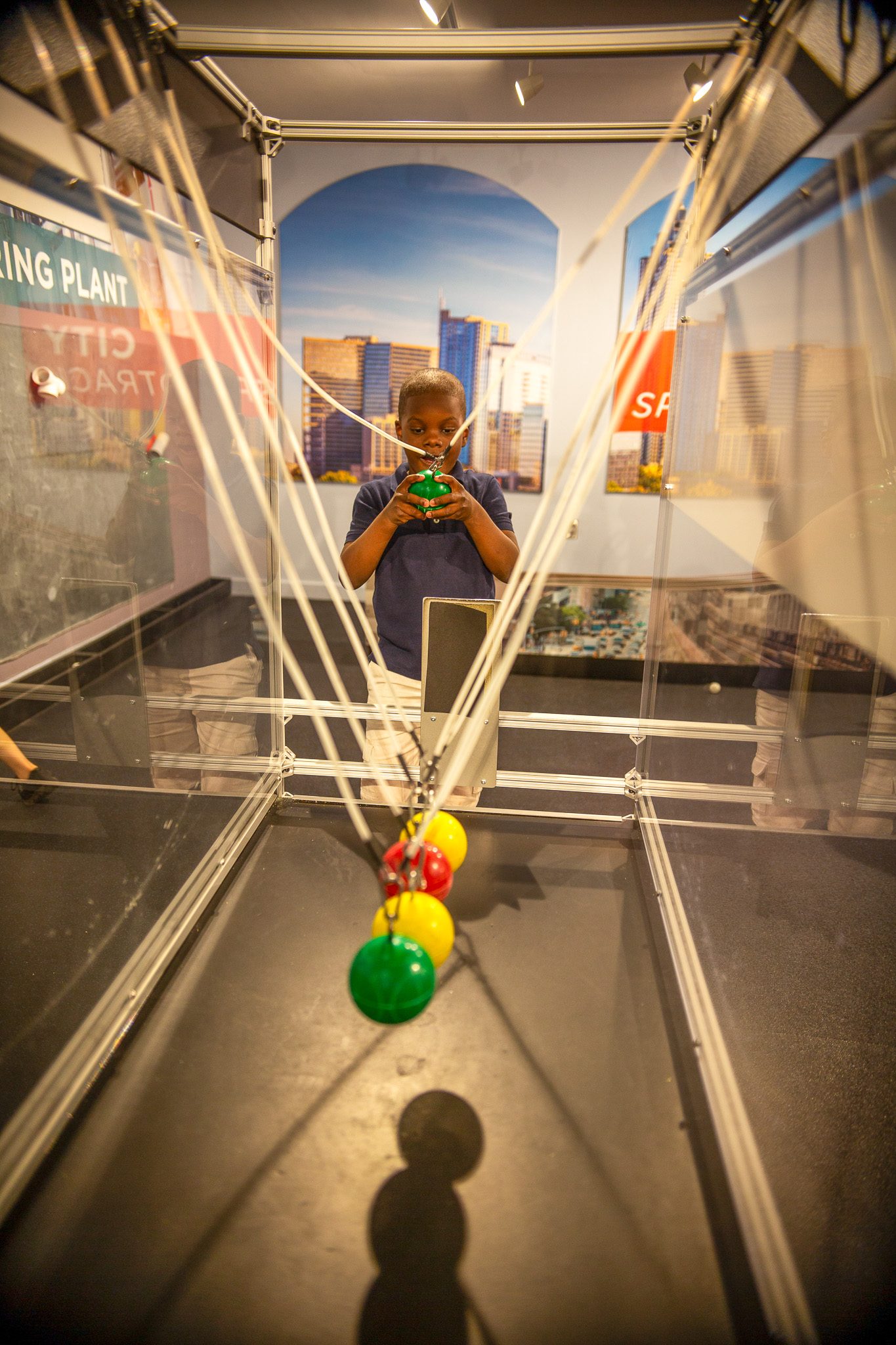
Education first. A science center is not a theme park: every interaction must answer what the visitor understands after leaving. NEMO, the largest science center in the Netherlands, phrases its method as thinking with your hands — visitors design, fail and verify rather than watch animations. Smithsonian's exhibit development guide asks teams to write the exhibition's Big Idea first, then assign an information job to every interactive.
Accessibility and multi-age usability. The Smithsonian accessible exhibition guidelines give hard numbers worth quoting in any proposal: seating in every gallery with at least half wheelchair-accessible, front approach for wheelchair users, controls within seated reach, defined contrast ratios and caption or tactile alternatives. And the exhibit must be operable within 30 seconds by both a 6-year-old and a 60-year-old — low entry threshold, not multiple versions.
Durability and content accuracy. Popular exhibits take up to a thousand operations a day, so touch panels, buttons and sensors must be industrial grade with replaceable consumables. On the museum side, every historical claim in the digital content needs curatorial review before opening day.
Four Benchmarks Worth a Study Trip
- teamLab (Japan) — borderless narrative. teamLab Borderless in Tokyo runs on roughly 520 computers and 470 projectors. There is no map: artworks migrate between rooms and react to visitors' touch. The lesson is to treat boundaries themselves as the design object. teamLab Planets goes further with barefoot, waist-deep entry — the more of the body involved, the deeper the memory.
- Arte Museum by d'strict (Korea) — themed rooms plus multisensory retail. One room, one theme — waterfall, flower sea, ocean — layered with soundscapes, scent and a cafe. Its Las Vegas site sits inside a retail complex and turns immersion into a two-hour leisure business.
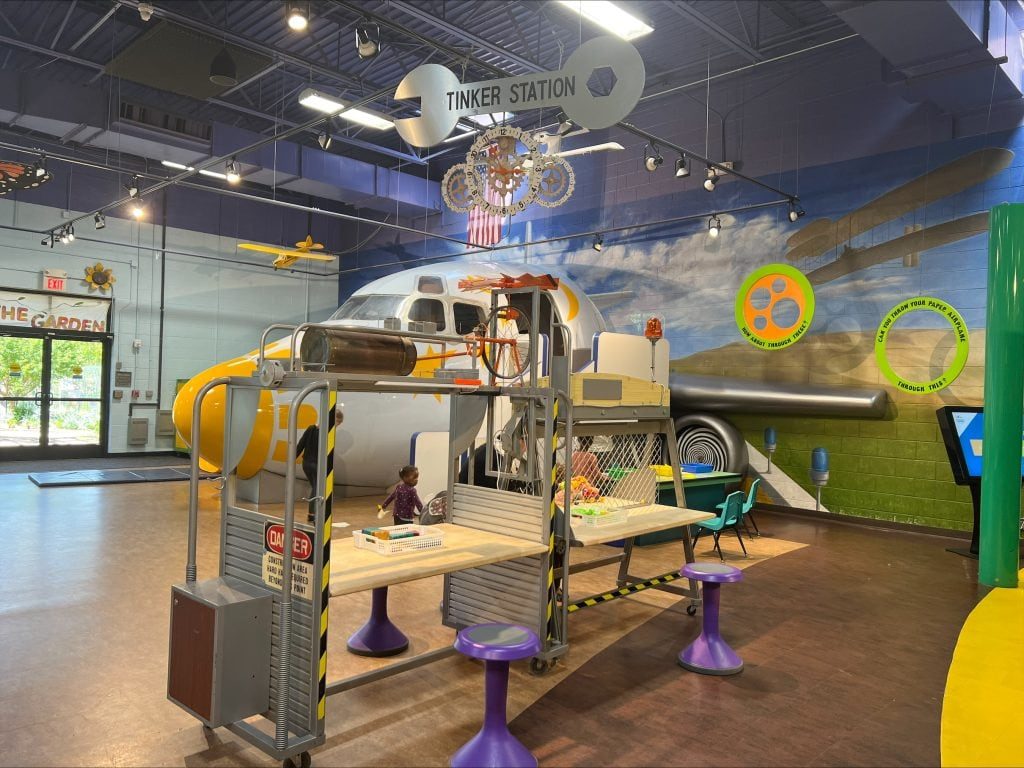
- NEMO (Netherlands) — the hands-on philosophy. Five floors with almost no do-not-touch signs; workshop-style table devices with exposed, repairable structures. A textbook in maintainability: when it breaks, staff fix it on the spot.
- Smithsonian (USA) — process and standards. Its published development guide and the IPOP model (designing for idea-, people-, object- and physical-minded visitors) provide a complete framework from concept review to accessibility placement.
What to Borrow Wherever You Operate
Hardware parity is no longer the gap between venues. Three differences matter more. Content refresh: leading institutions budget annual content iterations, while one-shot deliveries look dated within three years. Visitor research: benchmarks run front-and-back tests of learning outcomes instead of judging success by gate count alone. Accessibility: adopt the Smithsonian checklist directly in design reviews rather than retrofitting later.
The investment climate supports the upgrade path. China's immersive performance box office grew from about CNY 1.82 billion in 2024 to roughly CNY 2.5 billion in 2025 — up 37.4% (RUNTO), approximately US$255-350 million — and teamLab's long-running Shanghai venue confirms sustained local demand for exactly this format.
Maintenance: The Cost Nobody Quotes
Interactives fail in predictable ways, and serious buyers price that in from day one. Typical annual figures from operating venues:
| Exhibit type | Common failure points | Annual cost (approx.) | Recommended strategy |
|---|---|---|---|
| Touch tables and screens | Touch drift, loose bezels | 3-5% of hardware price | Industrial capacitive panels; keep spares |
| Projection interactive (floor/wall) | Light-source decay, sensing drift | US$420-1,120 per unit | Laser sources; yearly recalibration |
| Gesture and radar devices | Camera shift, false triggers | US$280-700 per point | Quarterly calibration; remote firmware updates |
| Multi-channel theater | Blend drift, uneven brightness | US$280-560 per channel | Backed-up blend parameters; auto-alignment |
| Interactive content software | Crashes, stale assets | US$1,400-4,200 | Annual content subscription |
As a rule of thumb, reserve 5-8% of total equipment investment per year for maintenance, and require the supplier to sign an SLA covering response times and loaner units.
Procurement Notes for Museum Projects
- Simulate visitor route and dwell time before purchase; keep hero interactives under 30% of total exhibits and fill the rest with light ambient pieces.
- Spec every interactive for 1,000 operations per day and a 5-year service life; avoid exotic custom structures that cannot be swapped.
- Put accessibility into design review, not punch list: wheelchair turning circles, control heights, captions and audio alternatives, item by item.
- Decouple the content layer from the hardware layer so topics can change without replacing machines.
Aurora Vision builds interactive projection and sensing systems for overseas museum and science center projects, with documentation and content in English. Tell us your gallery theme and we will share the closest reference installation and a costed proposal.