Night Tourism and Building Projection Shows: A Growth Guide
Night economies are paying for shows, not just lighting. Market data, four product formats, the five-phase delivery process and the revenue models that make them pay.
When "sightsee by day, leave by night" turns into "stay an extra night for one show," projection becomes a revenue engine rather than decoration. China's immersive performing-arts box office grew from about CNY 1.82 billion (roughly US$250 million) in 2024 to about CNY 2.5 billion (roughly US$350 million) in 2025, up 37.4% (RUNTO). Globally, the interactive projection market is projected to expand from about US$4.56 billion in 2025 to US$26.75 billion by 2034 at a 21.73% CAGR (Fortune Business Insights). For scenic areas, cultural tourism groups and their suppliers, the window is open now.
Three Transitions Opening the Window
Industry observers describe night tourism moving through three shifts: from lighting projects to content economies, from attracting footfall to retaining visitors, and from one-off consumption to repeatable experiences. Content has evolved in step — from plain light shows to scripted immersive performances with live NPC actors. Policy reinforces the curve: the Ministry of Culture and Tourism has published 20 national demonstration cases of immersive cultural tourism, including the Datang Everbright City district and the Jinjiang night cruise.
| Era | Key signal | What it means for suppliers |
|---|---|---|
| Lighting era | Buildings lit up, landscape lighting | Fixture competition, margins ground down |
| Content era | Light shows plus projection telling local stories | Hardware and content production both billable |
| Immersive-drama era | Storylines, NPCs, interactive light | System integration plus ongoing content subscriptions |
Four Product Formats
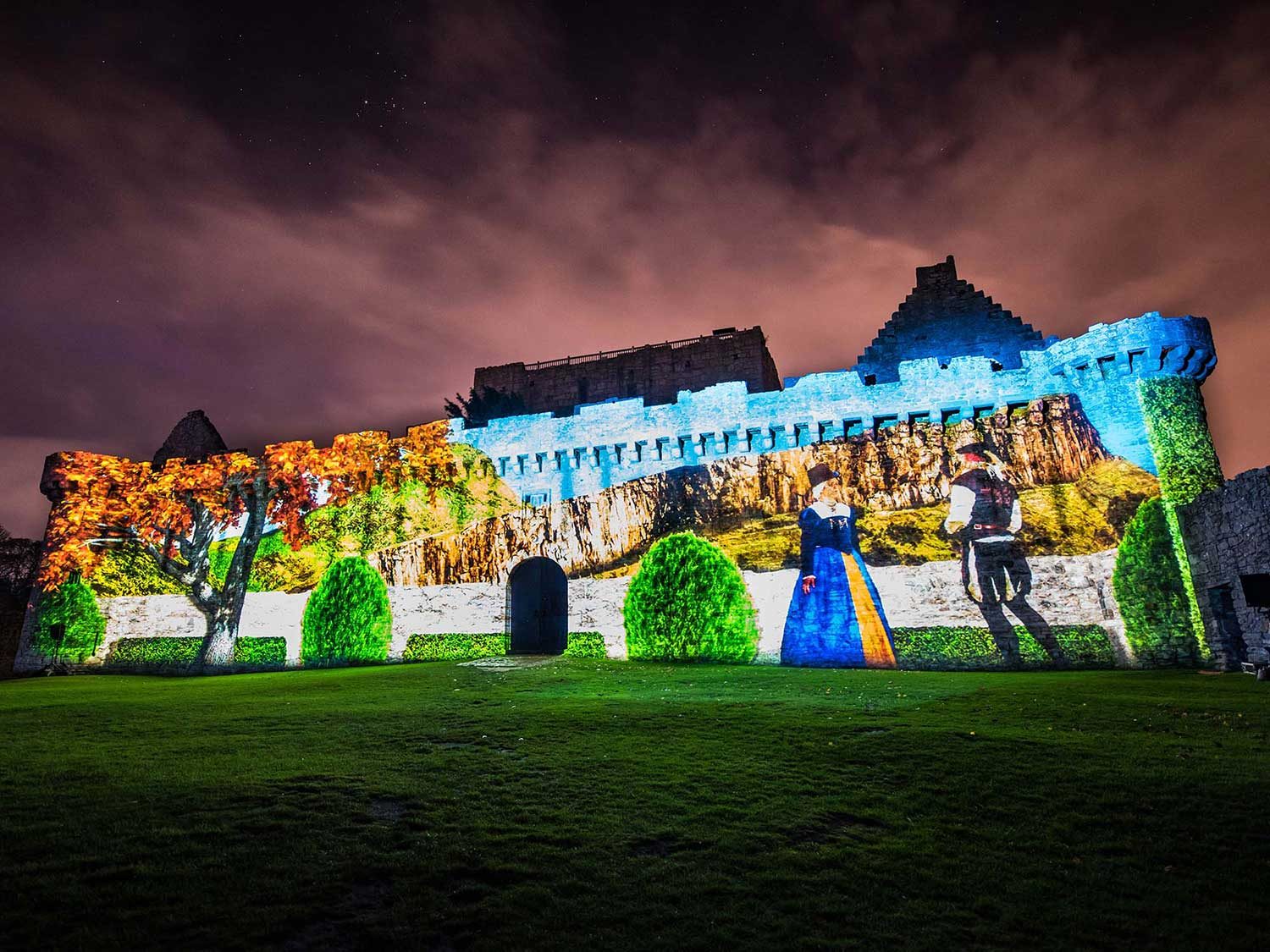
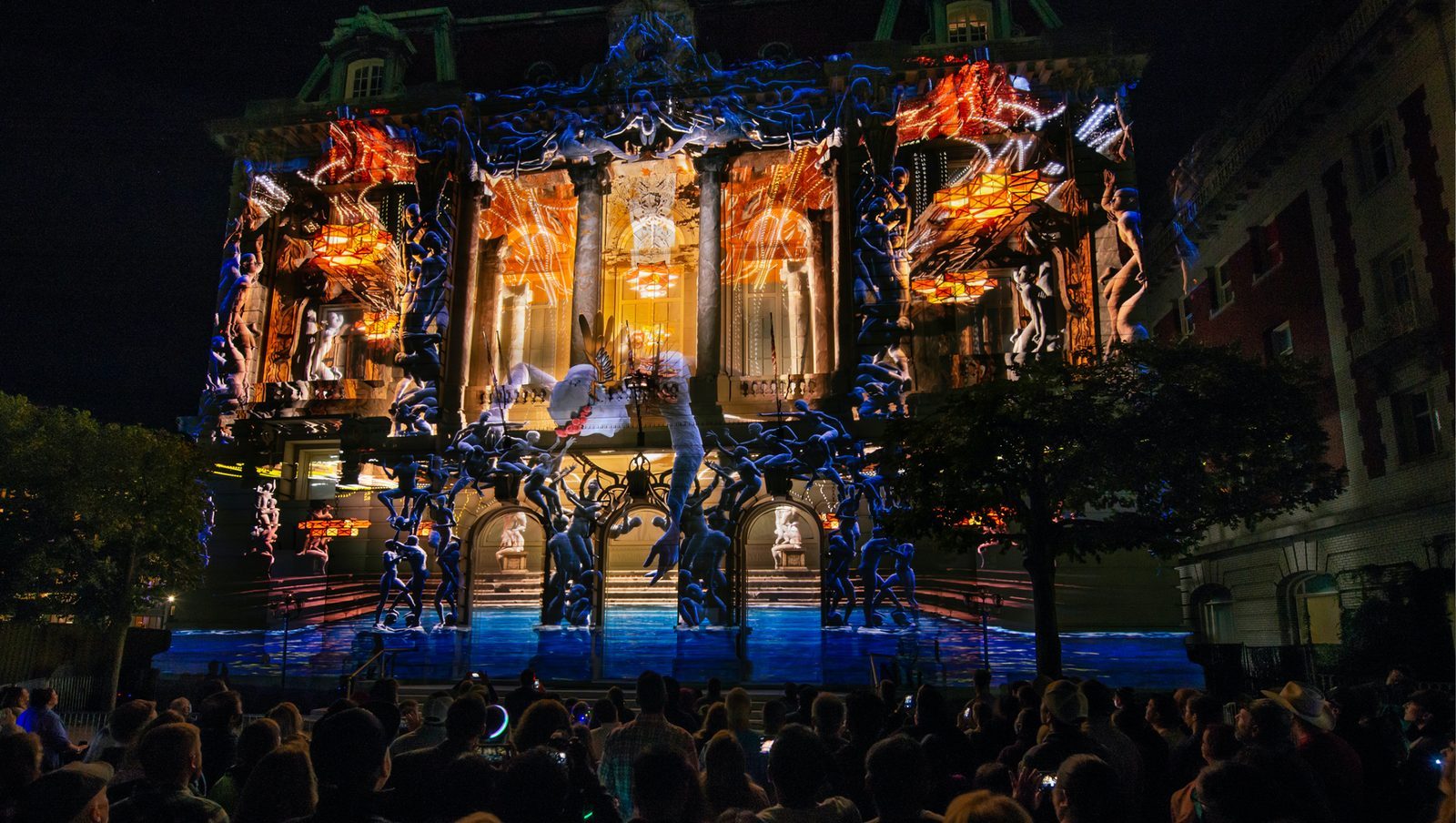
- Building 3D mapping shows — high-lumen engineering projectors (30,000-lumen class on large projects), blending and facade survey modeling turn a building into a dynamic canvas of deformation, depth illusion and flowing light. The signature product for city festivals and landmarks.
- Mountain and water-screen projection — natural cliffs and water screens as the display surface, common in landscape performances and lake night tours. The Pingyao Ancient City science-and-art museum, blending 16 projectors into a dome show, is a public culture-plus-technology sample.
- Immersive streets — multiple projection and lighting points along a commercial or heritage street, tied together with NPC storylines, so visitors move scene to scene through a walkable night theater.
- Interactive light paths — radar or pressure-sensing walkways where light follows every footstep: controlled investment, strong sharing behavior, ideal for parks, greenways and route activation. For exposed outdoor positions we spec sealed units such as our outdoor waterproof projection all-in-one.
Delivering the Project: Five Phases, Three Revenue Models
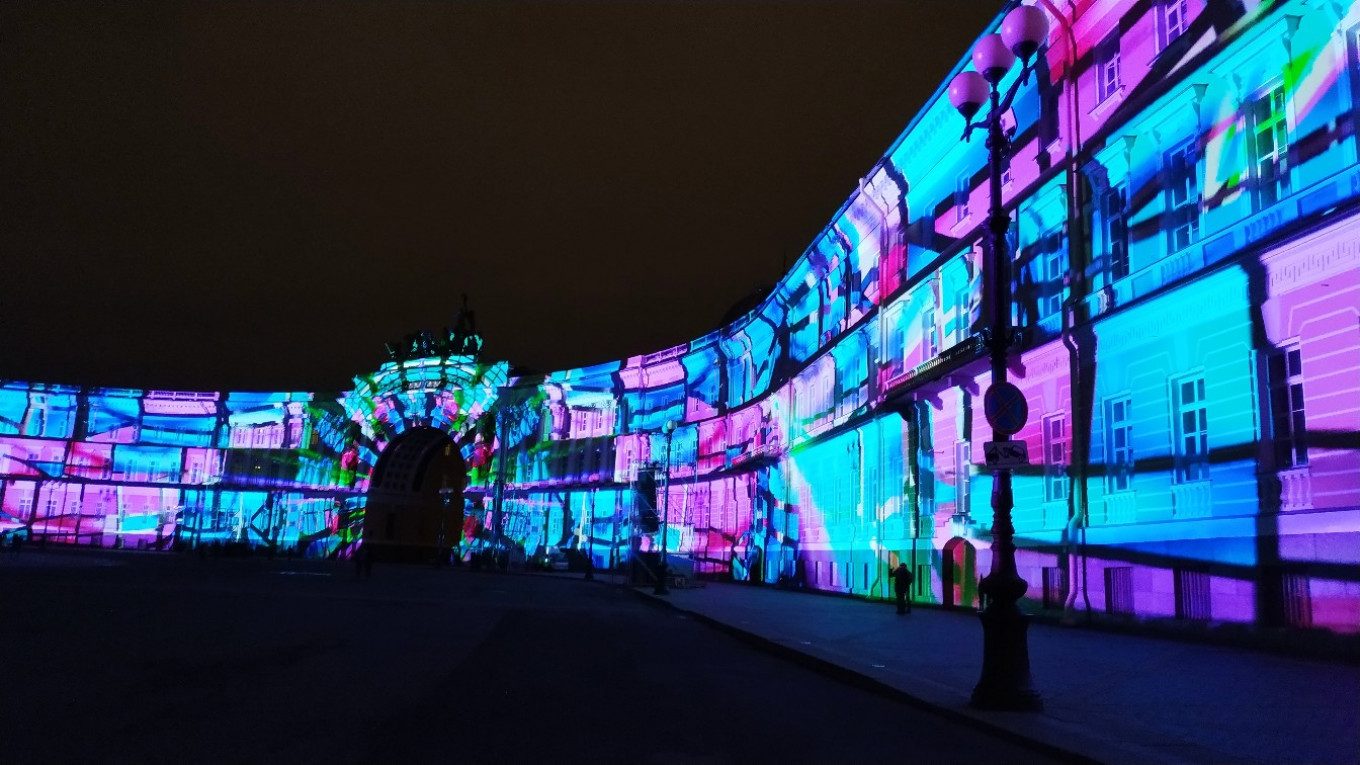
Government and scenic-area night tours typically run five phases: planning (extract the cultural IP, design the visitor route and businesses), design (lighting script, projector selection and brightness calculations, civil and power works), installation (mounting, blending, on-site rehearsals), operation (show schedules, seasonal content, NPC performance) and iteration (refresh scenes on data to keep repeat visits coming).
| Revenue model | Logic | Fits |
|---|---|---|
| Ticket and show income | Night-tour or immersive-drama tickets, operated directly or shared | Large light performances, dome theaters |
| Night-economy uplift | Longer stays pull dining, hotel and secondary spending | Street night tours, interactive paths |
| City or scenic IP premium | A signature show becomes the destination's symbol, lifting overall traffic and investment interest | Landmark 3D mapping, festival light events |
Engineering and Procurement Notes
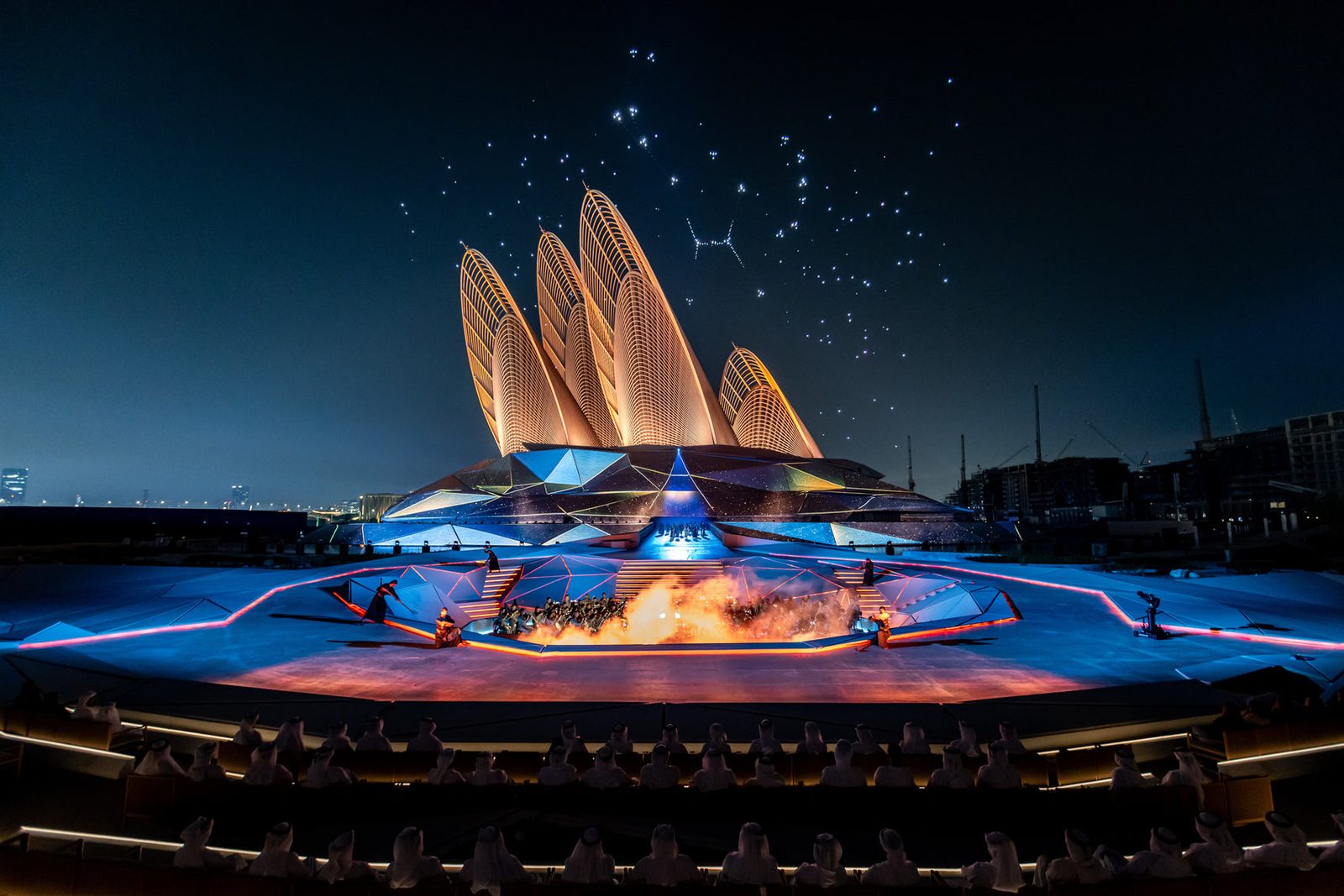
- Content first, hardware second. Lock the story and cultural IP, then derive projector brightness, positions and blending — never the other way around.
- Design brightness with headroom. Outdoor ambient light and weather eat margins: allow at least 30% reserve above calculated brightness and prepare rain and fog contingencies.
- Put operations in the budget. If nothing new appears for 6–12 months, repeat visits fall; reserve annual content updates and performance operations from day one.
- Quantify acceptance. Brightness uniformity, seamless blending, interaction latency and equipment protection (IP65 or better is normal outdoors) each get a line in the acceptance sheet.
Evaluating a facade show or a night-tour route? Send us site photos or drawings — Aurora Vision will return brightness calculations, projector counts and a phased budget.