Outdoor Projection All-in-One: A Complete Buying Guide
IP ratings, thermal design, laser lifetimes and remote management — what separates an outdoor projector that lasts from one that dies in a season.
Outdoors Is a Different Engineering Problem
Indoor projection failures are usually content problems. Outdoor failures are physical: water, dust, heat, cold, insects and power instability. An outdoor projection all-in-one exists to solve those problems in one sealed enclosure — but seals alone are not enough. Here is what to verify.
1. Real IP65 — housing and optics
IP65 means dust-tight and protected against water jets. Check that the lens window is also sealed and coated; cheap builds seal the box but fog the lens within months.
2. Thermal design decides lifetime
Laser engines are efficient but still generate heat. In a sealed box, that heat must be moved out through designed airflow or heat exchange. Ask for the ambient temperature range — a serious outdoor unit operates from roughly -30°C to +50°C.
3. Laser light source and duty cycle
Look for ≥20,000-hour laser sources and explicit 24/7 duty rating. Outdoor shows run every night; a lamp-based or office-grade unit will not survive the schedule.
4. Remote management is not optional
Climbing to check a unit every morning is not a maintenance plan. Remote status monitoring, scheduled power and alert notifications should be built in — this is standard in our outdoor all-in-one.
5. Brightness matched to distance and skyglow
Facade projection over 20 m distance typically needs the 8000+ lumen class; landscape accents can use less. Get a coverage drawing before buying.
6. Installation hardware and safety
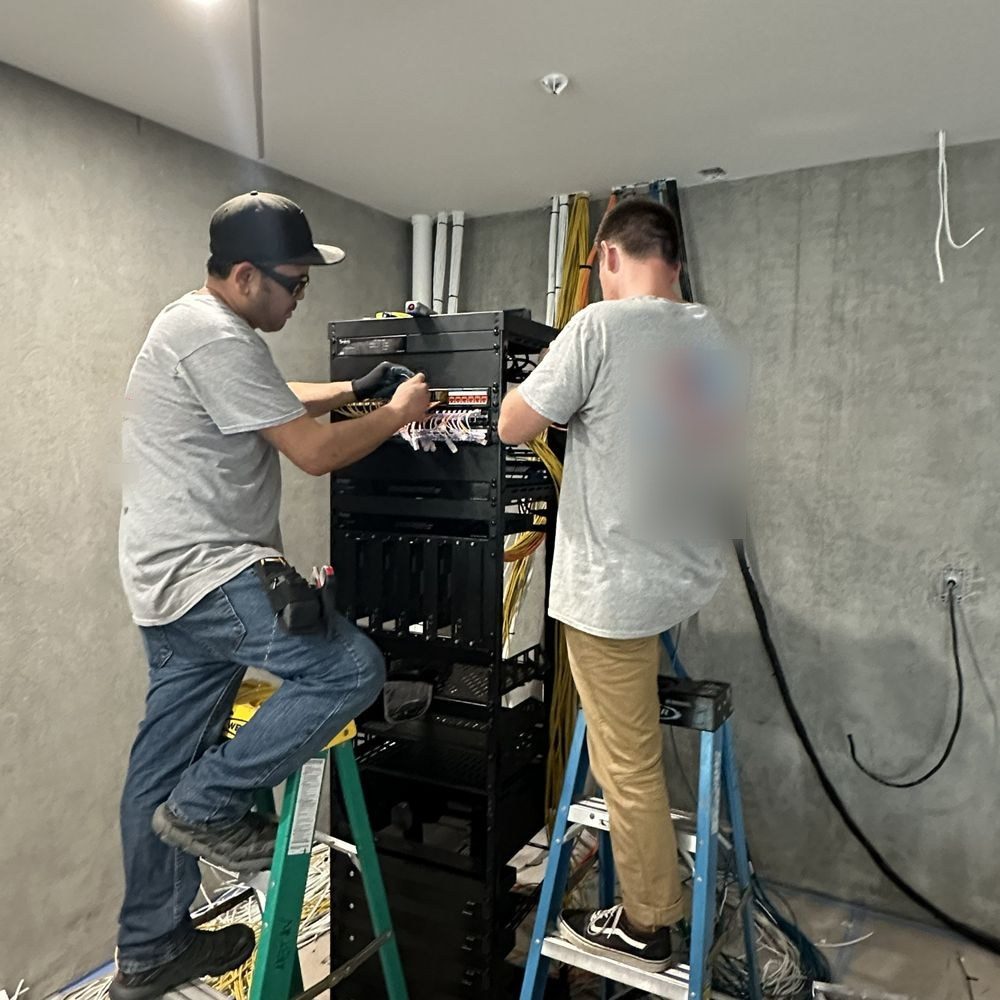
Wind loads, mounting brackets and lightning protection matter as much as the projector. Confirm the supplier provides engineered mounting, not just a box.
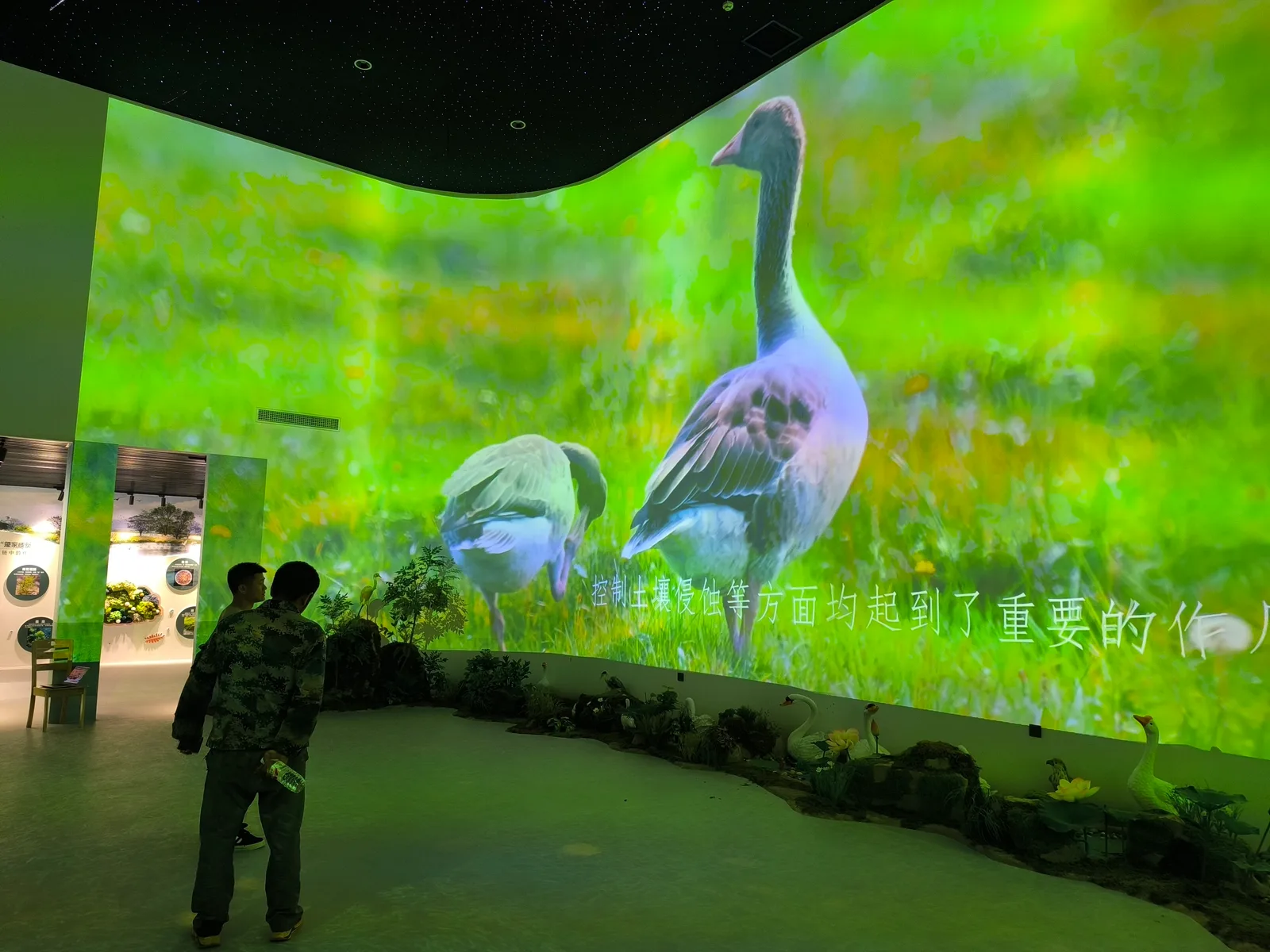
We have installed outdoor projection from humid coastal plazas to inland wetland parks — tell us your site and we'll share the closest comparable case.