Projection Mapping vs Interactive Projection: Differences and Use Cases
Projection mapping paints buildings; interactive projection plays with people. Here is how the two technologies differ, what they share, and when to choose each.
Two Different Questions
Projection mapping asks: how do we fit a fixed video onto an irregular object — a building, a stage prop, a car — so it looks like the object itself is animating? Interactive projection asks: how do we make a surface respond to the people touching it? Many projects use one; the best venues use both.
What They Share
- Projectors (increasingly laser, all-in-one designs)
- Geometric alignment to the physical surface
- Media servers or built-in players running the content
Where They Differ
Sensing
Mapping runs one-way — the show plays regardless of audience. Interactive systems add cameras, radar or pressure sensing and real-time reaction logic.
Content economics
Mapping content is a produced film: high upfront cost, perfect for landmarks and one-off events. Interactive content is a system: a library of games and effects that runs forever and can be extended.
Best-fit scenarios
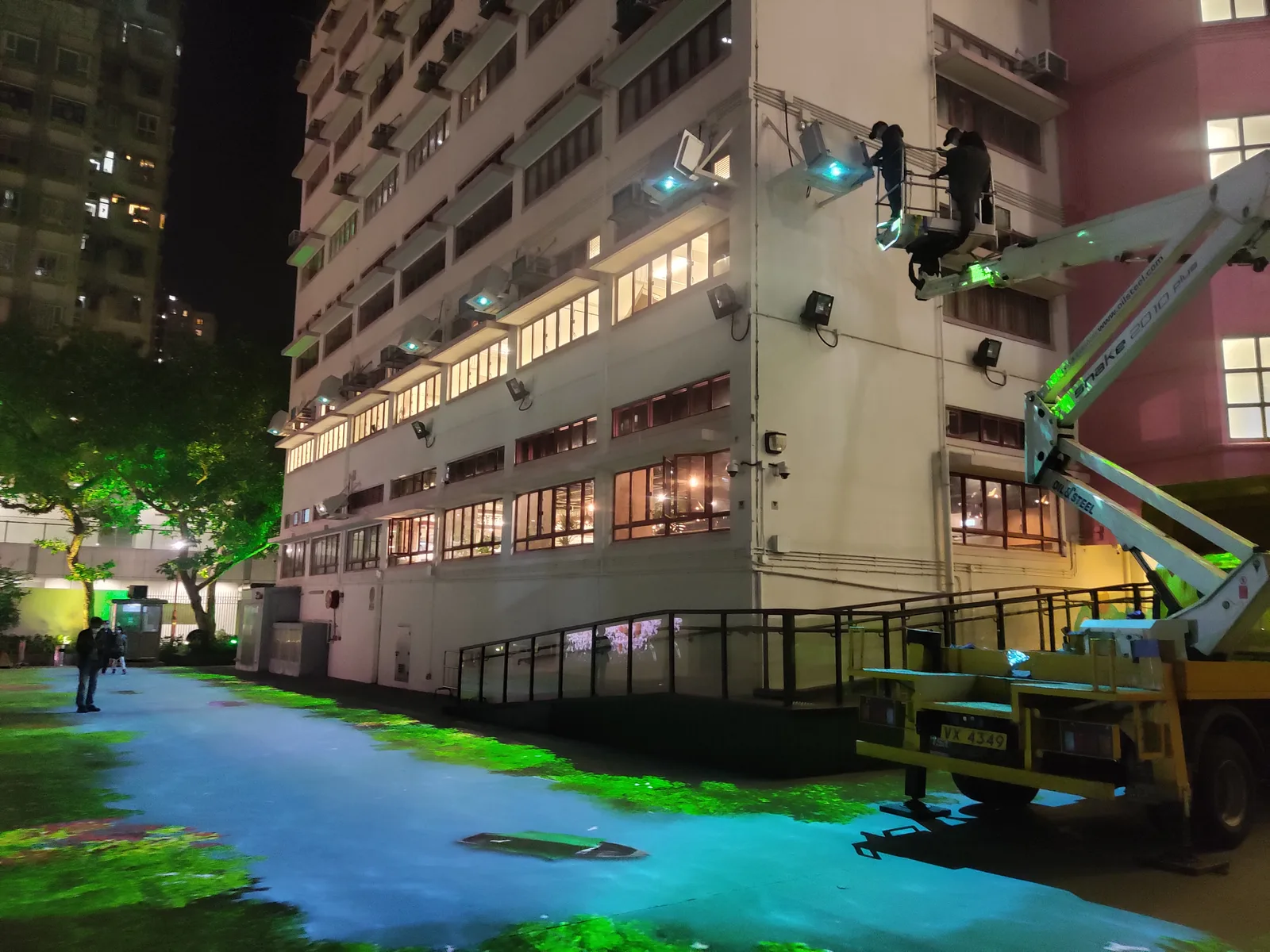
- Projection mapping: building façade shows, festivals, product launches, museum dioramas
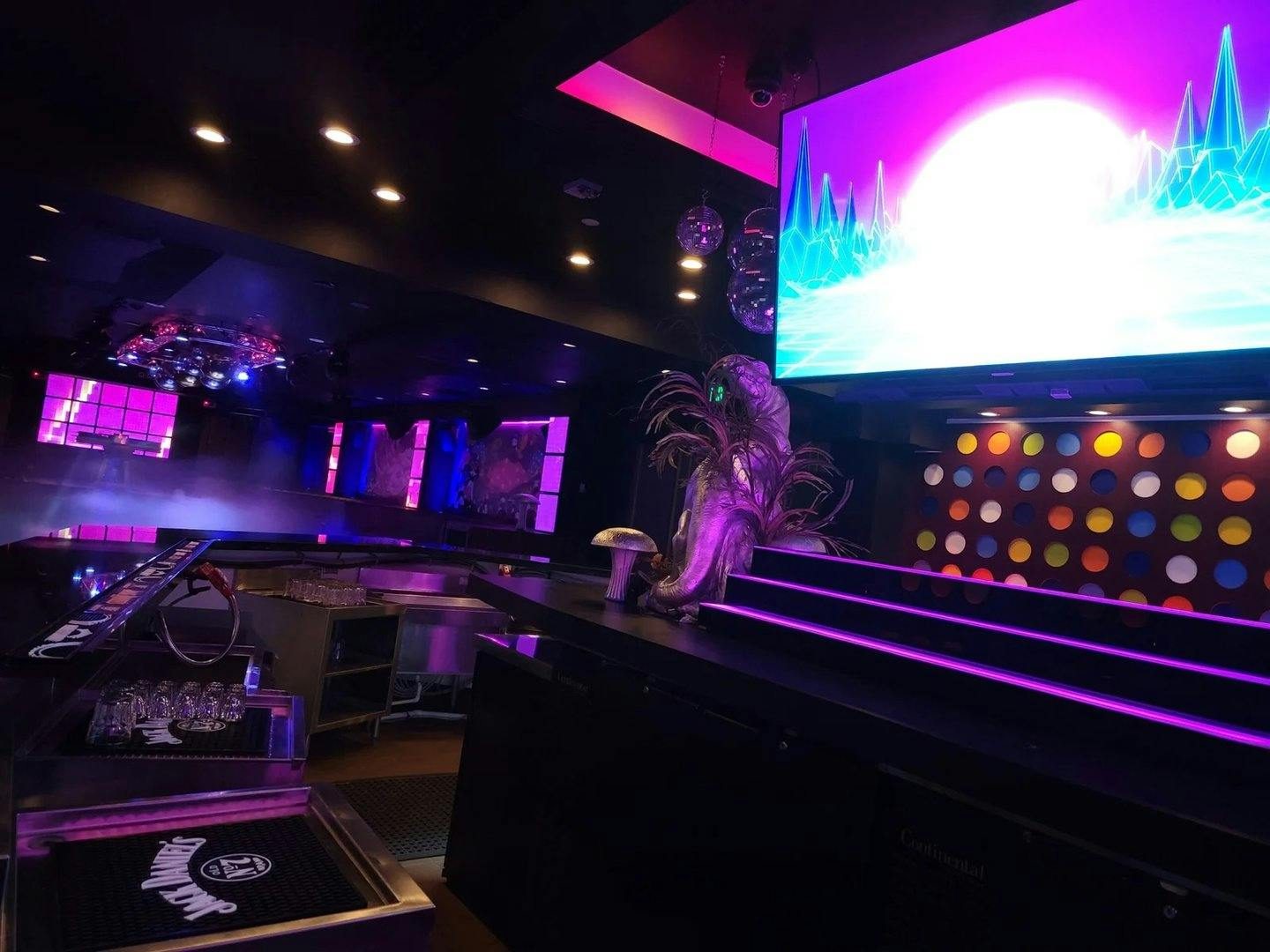
- Interactive projection: FEC playgrounds, exhibition halls, kindergartens, retail activations, sensory rooms
Combining Them
A night-tour attraction might project a mapped story onto a pavilion (mapping), then let visitors trigger scene changes by walking across an interactive path (interactive). One control system can schedule both — which is exactly how we deliver them.
Not sure which fits your project? Describe the venue and we'll recommend the honest minimum.