博物馆互动装置:设计让游客记住的体验
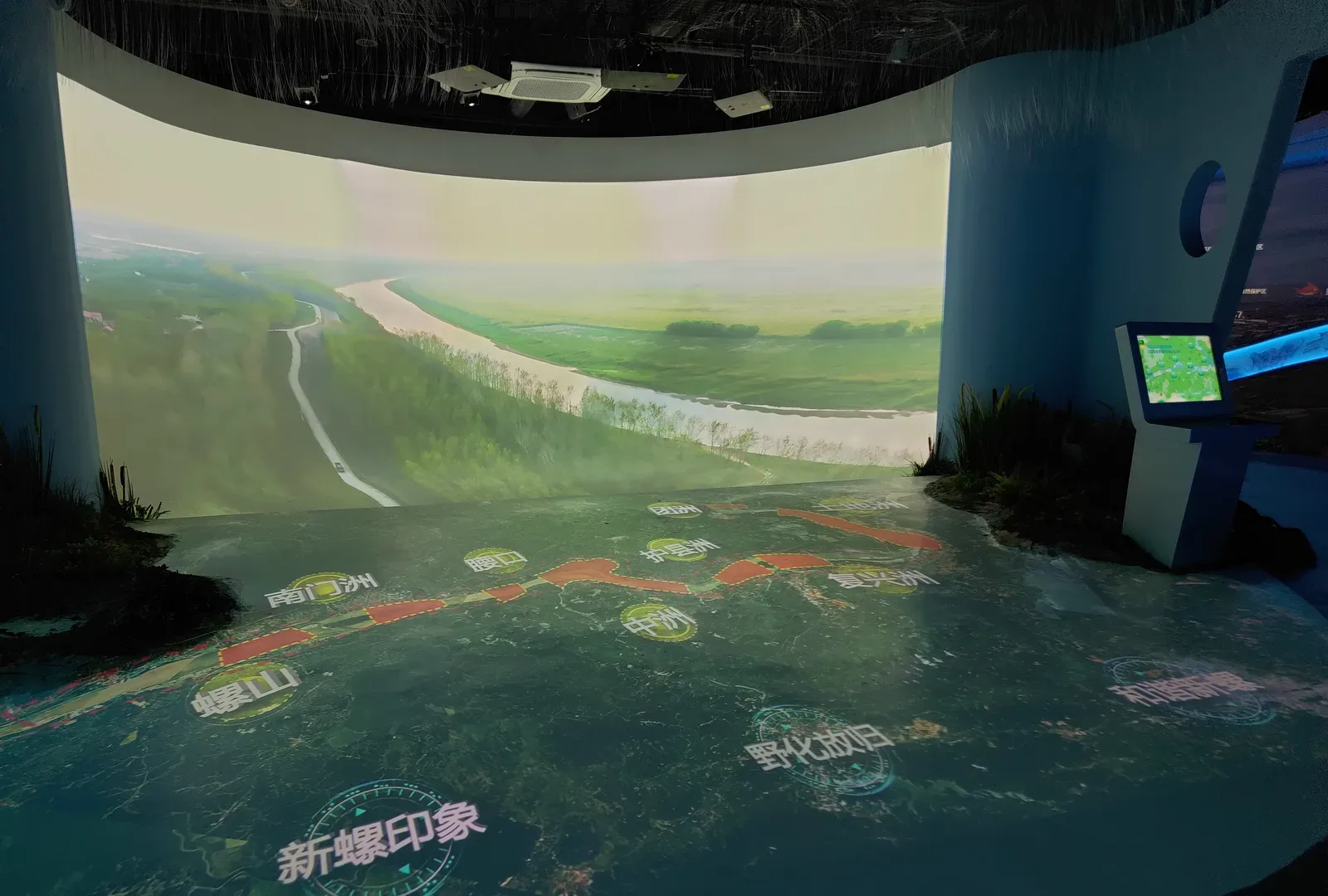
互动如何服务展陈叙事:地面响应、墙体手势、雷达触发等内容与耐久性设计要点。
Interaction Must Serve Interpretation
Museums don't buy technology; they buy understanding. The interactive installations that survive in museums are the ones where the interaction reveals the story — touch a wetland plant and watch the food web respond, step into a river's flood cycle and feel the seasons accelerate. Start from the curatorial message, then choose the interaction.
Interaction Models That Work in Exhibitions
- Floor response: visitors' movement drives ecosystem or map scenes — zero instructions needed
- Wall touch/gesture: explore layered information by reaching into the image
- Radar trigger zones: large-area sensing without wearable devices or precise aiming
- Physical + digital: real objects on tables trigger projected animations above them
Durability Is a Museum Requirement
Exhibits run 8+ hours daily for years. Sealed optical engines, laser light sources rated ≥20,000 hours and auto-loop content management are baseline. Our ecological center installation was engineered specifically for daily school-group traffic.
Content That Curators Accept
Museum content must be accurate and calm: measured animation, restrained palettes and a clear link between interaction and interpretation. We produce content jointly with exhibition teams — curators provide the facts, our studio provides the motion.
Accessibility Matters
Floor and gesture interactions are inherently accessible to visitors who can't operate touchscreens. Height-based sensing zones can be tuned for children and wheelchair users.